Nigeria’s fishing industry is facing a serious crisis, as rising fuel costs force operators to shut down operations—triggering fish scarcity and price hikes across markets.
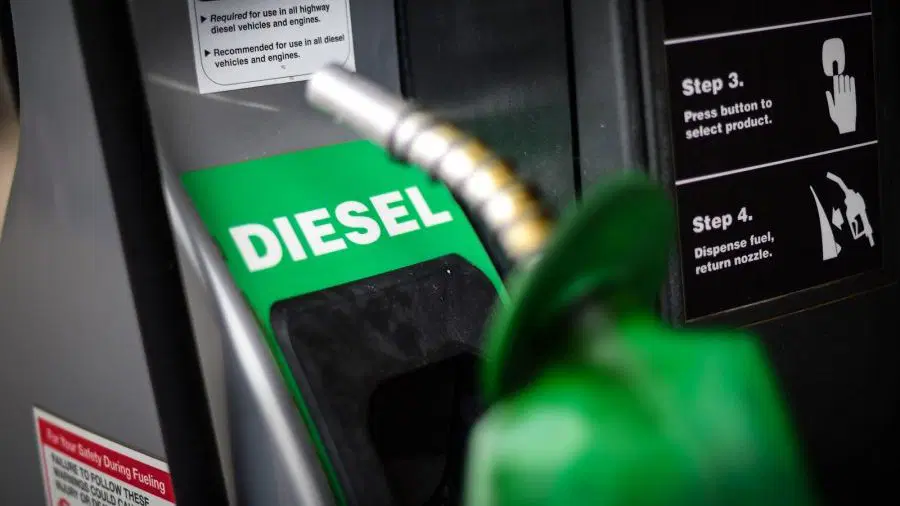
According to the Nigerian Trawlers Owners Association, more than 80% of fishing vessels are currently grounded due to the sharp increase in diesel prices. This has significantly reduced the supply of fish, especially in major hubs like Ijora Fish Market, where traders are already feeling the impact.
Industry experts say the situation is affecting both small-scale and large-scale fishing operations. While artisanal fishermen rely on petrol, industrial operators depend heavily on diesel to power their trawlers—making them more vulnerable to the current surge in fuel costs.
A key concern is the economic viability of fishing trips. Operators now spend far more on fuel, yet often return with catches that do not cover their expenses. This imbalance has made continued operations unsustainable, forcing many companies to dock their vessels rather than risk further losses.
Sources within the industry revealed that diesel prices have more than doubled—from around ₦900 per litre to between ₦1,800 and ₦2,000. At these rates, running a vessel for long fishing trips, sometimes up to 50 days, could lead to massive financial losses.
The ripple effects are already visible. With fewer vessels at sea, fish supply has dropped sharply, leading to higher prices in local markets. For many Nigerians who depend on fish as an affordable source of protein, this poses a growing challenge.
Beyond food supply, the crisis is also threatening jobs. Thousands of workers—ranging from fishermen to support staff—depend on the industry for their livelihood. With operations slowing down, many of these jobs are now at risk.
Stakeholders are warning that without urgent government intervention, the situation could worsen. They are calling for measures to stabilise fuel prices or provide support to operators, stressing that the fishing sector plays a critical role in both food security and employment.
At its core, the issue highlights a broader economic pressure—when fuel costs rise sharply, industries that depend heavily on energy are often the first to feel the strain.