The failed negotiations in Pakistan and the announcement of the US blockade in the Strait of Hormuz have pushed oil prices above the $100 mark. Brent North Sea oil rose in price by around eight percent to $102.80 per barrel (159 liters). The price of the US variety WTI for delivery in May also rose again during the night.
Before the now failed negotiations between the USA and Iran about an end to the war, the price per barrel was still at 95.20 US dollars. Oil prices currently remain the most important indicator of inflation and economic concerns in the market.
After the talks Saturday night had failed for the time beingannounced US President Donald Trump that the USA would block the strategically important strait. According to the US Central Command, the stop of shipping traffic to and from Iranian ports will begin this Monday at 4 p.m. (CEST).
The head of the Iranian navy, however, criticized Trump’s announcement as “ridiculous and absurd.” According to state television, Shahram Irani said the Iranian navy was monitoring and controlling “all movements of the aggressive US army in the region.” The Iranian Revolutionary Guard had previously said that any military ship approaching the Strait of Hormuz would be considered a ceasefire violation and would be dealt with.
Maltese tanker turns back
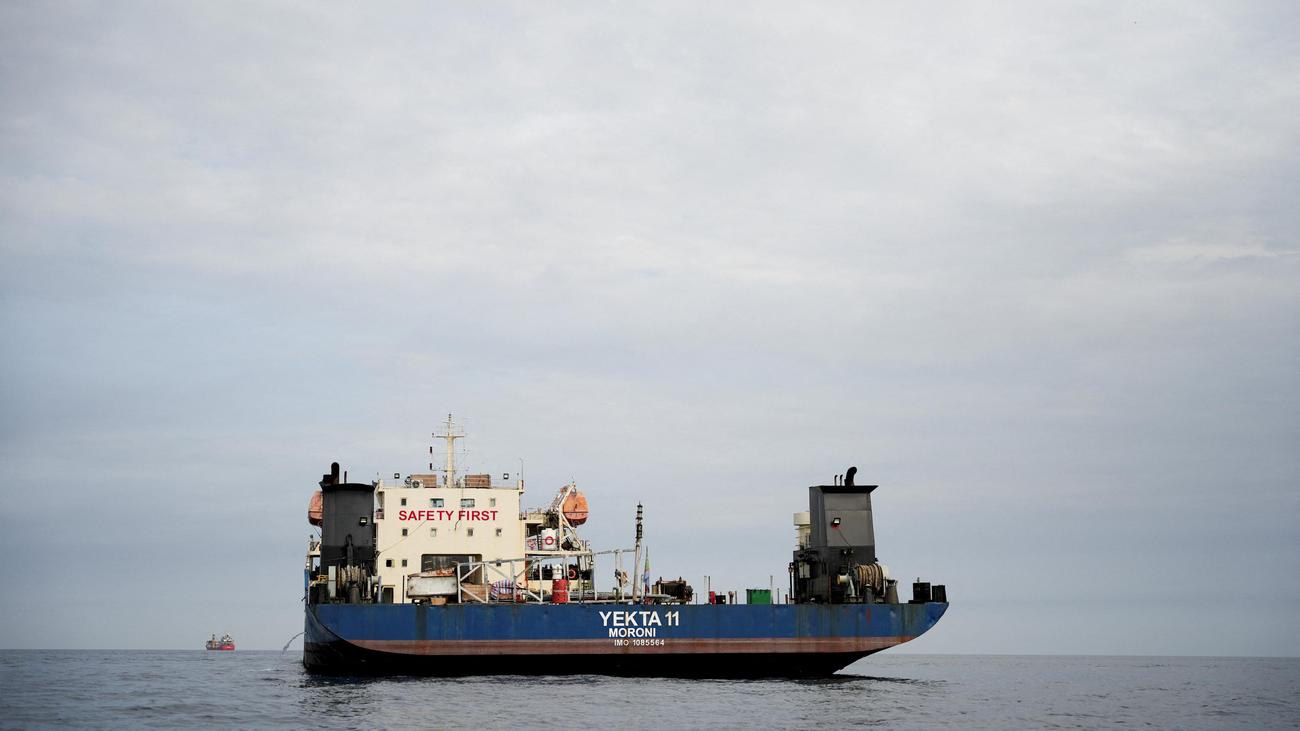
According to new data, oil tankers are already avoiding the Strait of Hormuz out of fear of the US blockade. One under Maltese-flagged supertanker
turned around before the passage and anchored in the Gulf of Oman, data from the services LSEG and Kpler show. The ship was supposed to load Iraqi crude oil for Vietnam. However, two Pakistani tankers and a ship flying the Liberian flag entered the Gulf on Sunday.
Trump admitted to Fox News on Sunday (local time) that oil and gasoline prices would rise until the congressional elections in November could remain high. This is considered a rare admission of the possible political consequences of his decision Iran to attack.
There is no rapid relief in sight from the shipping companies
Analysts warned of the impact on the oil market after Trump’s blockade announcement. The US would also prevent the remaining Iranian oil deliveries of up to two million barrels per day through the strait, said Saul Kavonic from the analysis firm MST Marquee. This will further exacerbate the already existing supply bottlenecks, according to a statement from the ANZ bank.
The Association of German Shipowners reacted cautiously to the latest developments. “Unfortunately, there is currently little reason to assume that the situation will ease in the short term,” said an association spokesman for the dpa news agency. However, if Iran had laid mines in the strait, removing them would be an important contribution.
Follow further developments on the Iran war in our live blog.