This content has been archived. It may no longer be relevant
The Moment Kwankwaso Blinked: Power, Pride and a Missed National Calling
How Kwankwaso Lost Nigeria by Trying to Win Kano
By: Lawson Ojieabu Aigbokhaebholo
History is rarely unkind to politicians who lose elections.
It is far less forgiving to those who misread power.
For Rabiu Musa Kwankwaso, 2023 was not simply an electoral setback. It was the point at which a long career built on strategy, patience, and mass mobilisation collided with pride, miscalculation, and an increasingly narrow view of power. Three years on, with Kano now back in the grip of the All Progressives
Congress, the cost of that moment is no longer theoretical. It is painfully concrete.
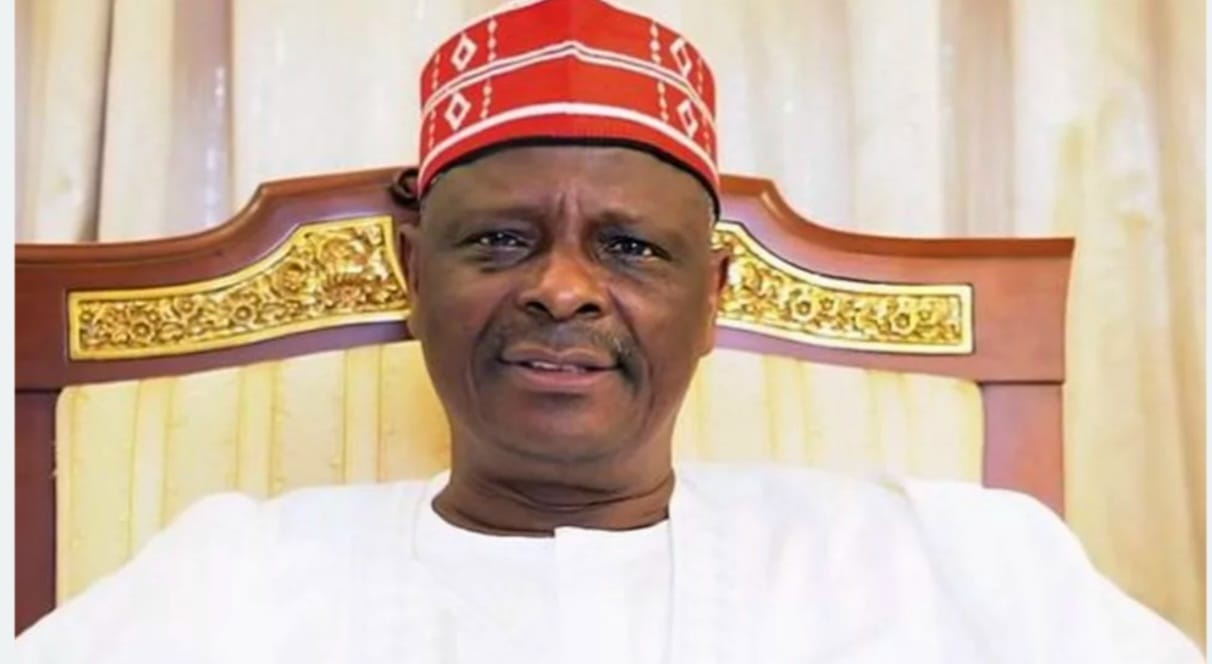
Kwankwaso entered the 2023 election cycle holding rare political capital. He controlled Kano through the Kwankwasiyya movement, commanded a loyal northern base, and led a party that—while thin nationally was disciplined and real. At the same time, Nigeria was witnessing the rise of an unprecedented cross-regional movement around Peter Obi and the Labour Party. The outlines of a historic coalition were obvious, and for months, negotiations were publicly acknowledged. Committees were formed. Statements issued. Optimism built.
But the talks collapsed.
Documents and public accounts show that the alliance failed not over policy but over ego and hierarchy. Kwankwaso insisted on leading the ticket; Obi’s camp refused. What could have been a bridge across the River Niger became a fault line. The opposition fractured, and APC walked through the middle, and Nigeria’s most promising reform coalition in decades died quietly before the first ballot was cast.
That failure alone would have been costly. But Kwankwaso’s deeper error lay elsewhere.
At the same time, he failed to close ranks with Labour, Kwankwaso, or to strike a strategic accommodation with APC.
This was not about ideology. It was about leverage. Kano, Nigeria’s most electorally significant state, was his bargaining chip. In 2023, he could have negotiated relevance at the centre policy concessions, federal protection for his movement, and long-term security for Kano’s interests. Instead, he chose isolation, convinced that Kano’s loyalty was permanent and federal power optional.
Nigerian politics does not reward that assumption.
By running alone, Kwankwaso removed himself from the table where post-election power was shared. In Nigerian elite politics, absence is not neutrality; it is weakness. And weakness attracts predators.
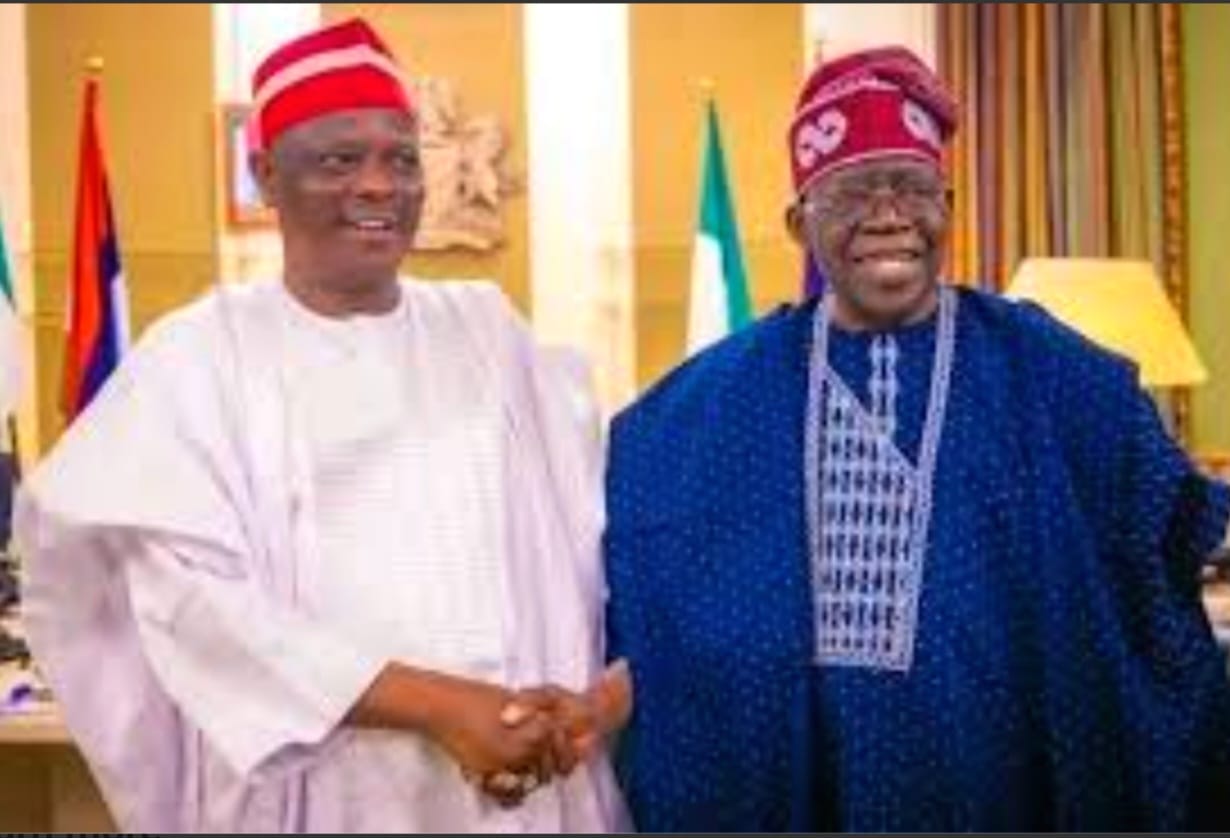
The consequences became unavoidable in January 2026, when Abba Kabir YusufK wankwaso’s political protégé, godson, and most valuable legacy defected to APC along side the bulk of Kano’s political structure. According to reporting by Channels Television, Yusuf cited the need for “partnership rather than polarisation,” arguing that development required alignment with the centre. Twenty-two of twenty-four state assembly members and the majority of Kano’s federal lawmakers followed him
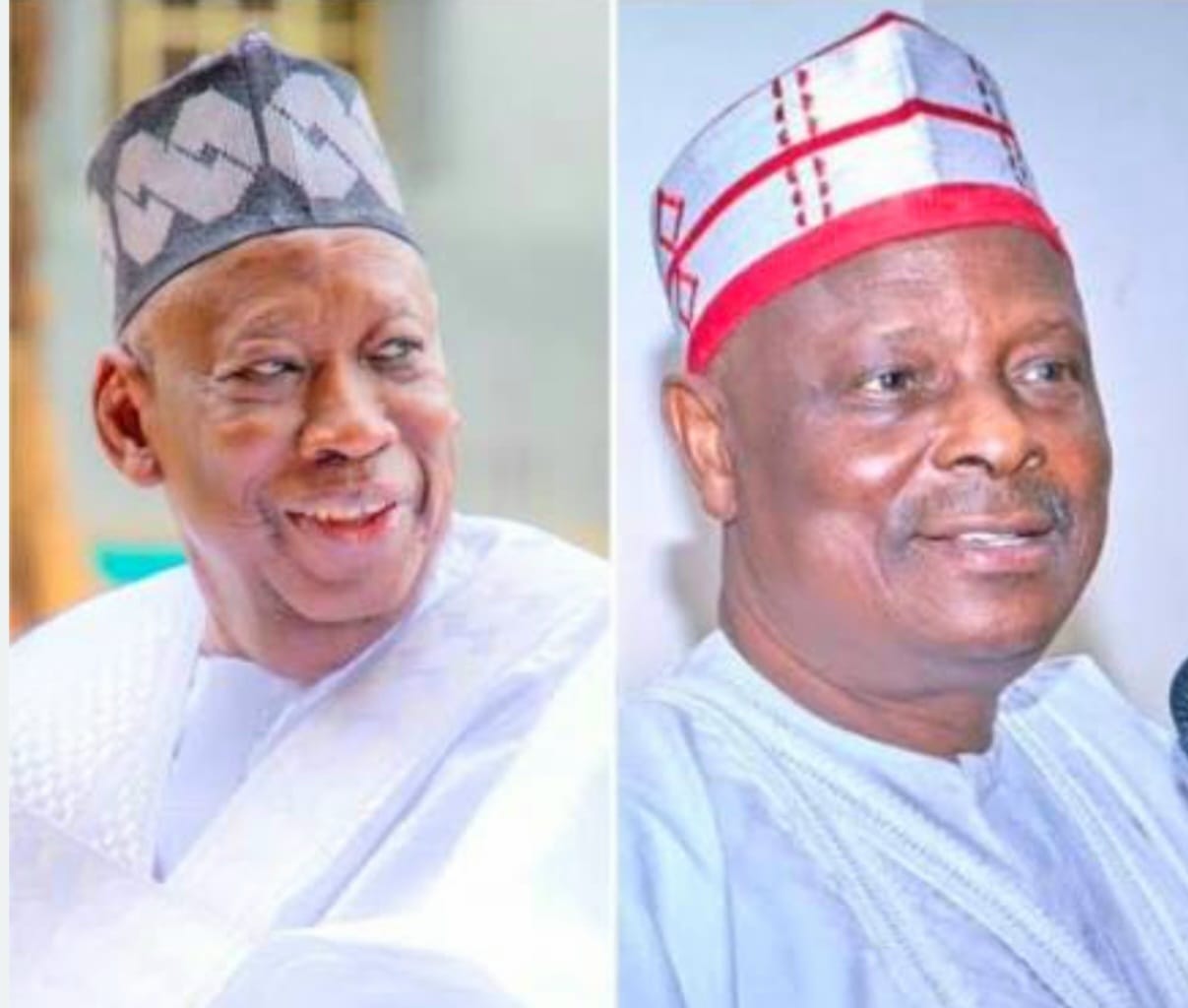
Kano Goes Back To Ganduje’s APC
.
This was not betrayal in the emotional sense. It was arithmetic.
Governors require access. Legislators require protection. States require federal cooperation. By failing to secure relevance at the centre, Kwankwaso left Kano exposed and his political son with an impossible choice. Yusuf chose power over sentiment. APC welcomed him warmly. Kano returned to the federal fold. Kwankwaso was left issuing warnings about loyalty from the outside.
The symbolism is devastating.
Kwankwaso once displaced Abdullahi Ganduje, now APC’s former national chairman, as the face of Kano politics. Today, Ganduje’s party has reclaimed the state not through the ballot alone but through strategic patience and federal gravity.
Kwankwaso’s movement, once feared, is now fractured and leaderless at the centre.
This is the true tragedy of 2023. Kwankwaso did not lack experience. He lacked flexibility. He mistook regional dominance for national inevitability. He failed to understand that nationalism in Nigeria is not declared it is constructed through compromise, alliances, and uncomfortable partnerships.
Aminu Kano understood this. So did Obasanjo. So did Buhari in 2015. Kwankwaso, in his most consequential moment, did not.
By refusing to deal with APC when his hand was strongest, Kwankwaso left Kano exposed. Governors, legislators, and financiers all eventually drift toward where decisions are made.
“Loyalty may win elections, but alignment sustains power.”
That is how movements fracture. Quietly. Pragmatically. Without apology.This should provoke uncomfortable questions among political elites, as the lesson is that movements that refuse to travel beyond their comfort zones eventually shrink.
Leaders who can not build bridges across the Niger end up stranded on familiar ground, waving at a nation that has already moved on.
Though Kwankwaso still commands respect. He still has followers. But power is about timing, not memory. The window he ignored in 2023 has closed, 2027 is nearly most significantly missed. What remains is a cautionary tale of how trying too hard to win Kano cost one of Nigeria’s most experienced politicians his chance to truly lead Nigeria.