The Federal Government says fresh diplomatic talks with the United States are producing results after a tense row over comments by President Donald Trump about violence against Christians in Nigeria. Minister of Information Mohammed Idris confirmed channels of communication have been opened, insisting the U.S. now understands the “complexity and diversity” of Nigeria’s security challenges.
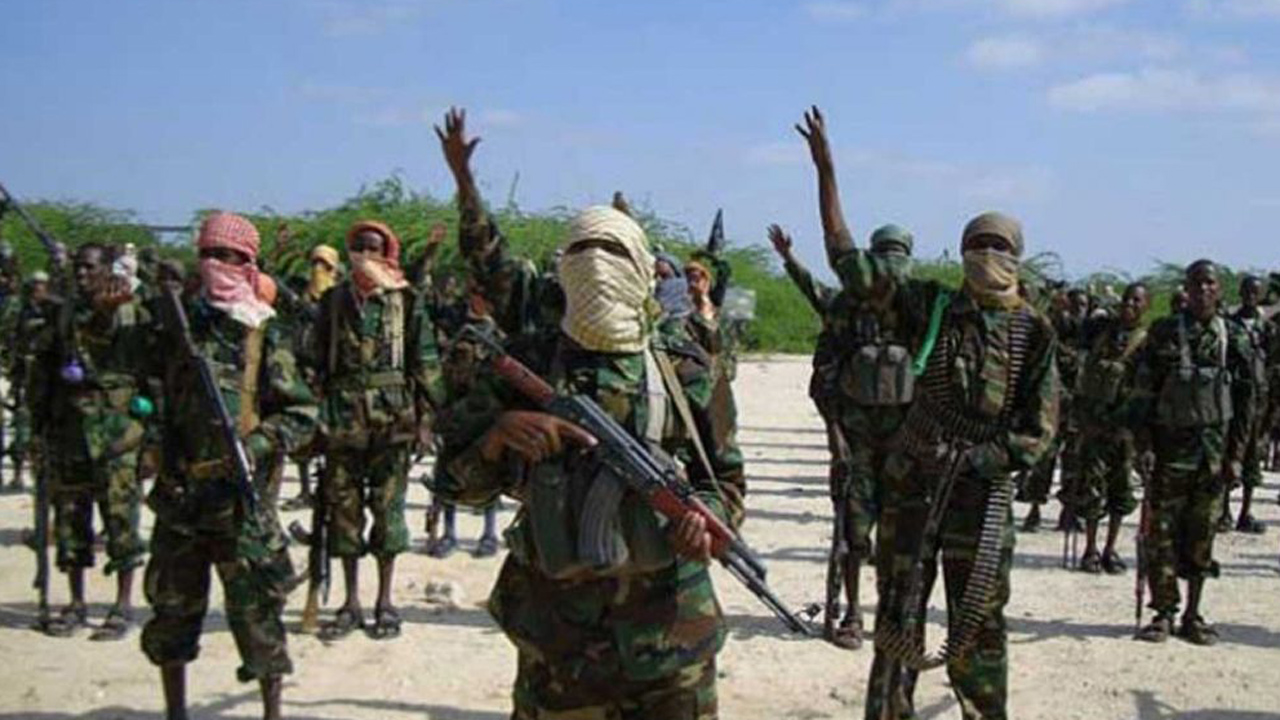
But citizens and civil society are loud: do more on the ground. Voices from across the country — including former officials, activists and church leaders — have urged President Bola Tinubu to ratchet up military pressure on terrorists, insisting dialogue alone cannot stop the daily bloodletting. Many argue that decisive action must match diplomatic diplomacy.
Critics like Dr. Obiageli Ezekwesili accuse leaders of moral failure for tolerating mass killings, while Senator Orji Uzor Kalu backed Trump’s claim that Nigerians are being slaughtered, saying both Christians and Muslims are victims. On the other hand, groups such as Afenifere and CAN in the North push for measured responses — intelligence-led operations and dialogue rather than full-scale foreign intervention.
The Vatican’s Archbishop Fortunatus Nwachukwu also weighed in, calling the insecurity largely self-inflicted and warning that Nigeria’s divisions have turned blessings into sources of pain. He urged Nigerians to use their diversity as strength, not a reason to fight, and to seek unity across faith and ethnic lines.
Meanwhile, critics of any diplomatic meetup with Trump — like Femi Fani-Kayode — fear such talks could humiliate Nigeria’s leadership or spark geopolitical meddling; others demand the government either “use bullets to kill terrorists or resign.” The debate reflects deep mistrust about both domestic response and foreign motives.
On the military front, Chief of Army Staff Lt-Gen Waidi Shaibu briefed President Tinubu and promised “improved security” in the coming weeks, underlining intensified operations across troubled theatres. Independent monitors say Nigeria has also been beefing up hardware — major purchases from the U.S. are reported to have boosted the military’s precision-strike capacity.
Amid competing calls for sanctions, strikes, and dialogue, some lawmakers and experts argue for smart, targeted action: share intelligence, cripple terror finances, and pair military pressure with community rehabilitation. For many Nigerians, the message is simple — stop the killings now, whatever mix of diplomacy and force it takes.
As tensions ease with the U.S., the hard test for President Tinubu remains on home soil: convert assurances into results, protect citizens, and restore trust before anger and fear deepen into lasting instability.