United States Congresswoman Nancy Mace has raised renewed concerns over what she described as escalating attacks on Christians in Nigeria, warning that the country has become increasingly dangerous for religious minorities.
In a statement issued on Friday, November 14, 2025, the South Carolina representative said, “Nigeria has become one of the deadliest countries in the world for Christians.” She criticised President Joe Biden for revising U.S. foreign policy toward Nigeria, noting that “President Biden removed Nigeria from the Country of Particular Concern list.”
Mace further commended former President Donald Trump for what she called his stronger stance on international religious freedom. “President Trump is working to reverse those decisions. Forty-five/Forty-seven remains one of the most consequential presidents in American history,” she added.
Her remarks come amid a growing debate in Washington regarding how the United States should respond to reports of religious persecution and persistent insecurity across several regions of Nigeria.
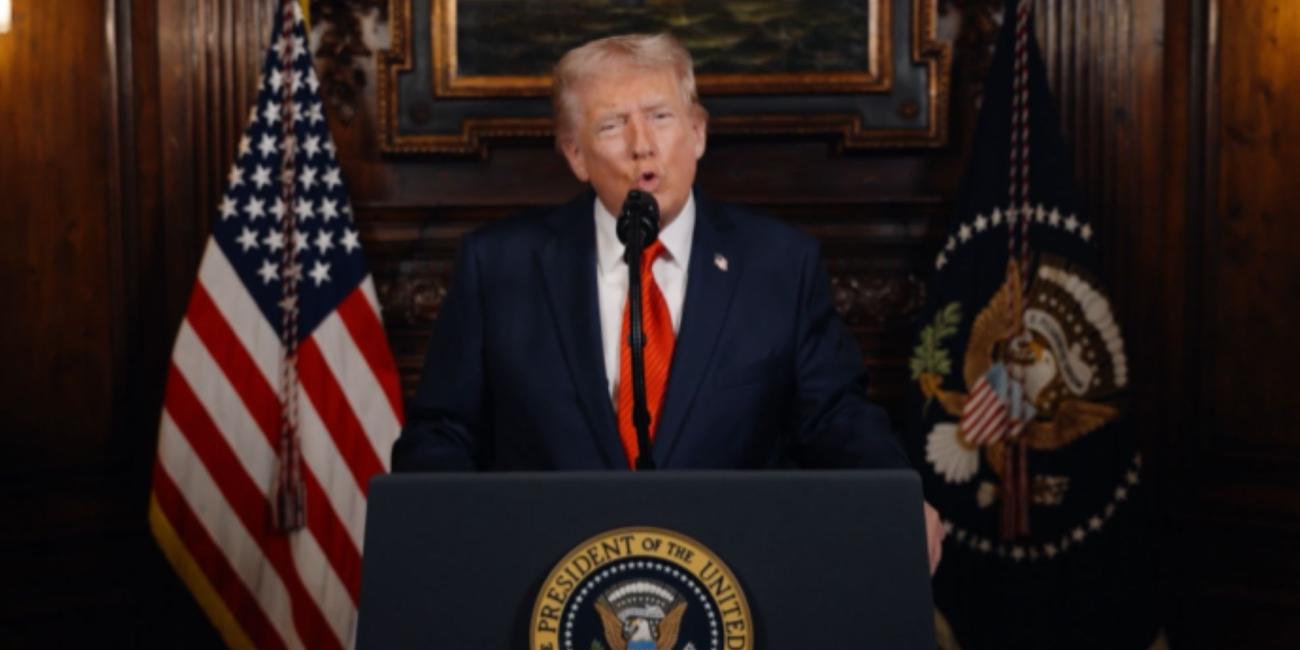
Earlier this week, President Trump announced that he had redesignated Nigeria as a “Country of Particular Concern” over claims of widespread violence targeting Christian communities. Posting on his Truth Social platform, the former president wrote:
“Christianity is facing an existential threat in Nigeria. Thousands of Christians are being killed. Radical Islamists are responsible for this mass slaughter. I am hereby making Nigeria a ‘COUNTRY OF PARTICULAR CONCERN’ — but that is the least of it.”
Trump also suggested that the United States might consider a military operation if such killings continue, a declaration that sparked swift reactions from American lawmakers and foreign policy analysts.
However, Congressman Bill Huizenga has downplayed the possibility of U.S. military intervention. Speaking in an interview with Arise TV, Huizenga said Trump’s comments appeared to reflect frustration over ongoing violence rather than a concrete plan to deploy military force.
“I too was surprised by the comments,” he said. “I suspect that actual military intervention in Nigeria is not a high priority. While he wants the violence to stop, I don’t envision that there’s going to be a military response.”
Huizenga stated that the United States is more likely to apply targeted economic and individual sanctions aimed at disrupting funding networks behind violent groups.
“Sanctions really cut off the flow of money and the flow of travel,” he explained. “We don’t know exactly who is financing many of these operations, whether from Fulani militants or Boko Haram. But cutting off the ability to move money will have a positive impact.”
He also noted that Trump’s broader foreign policy history — which he described as prioritising diplomacy over conflict — further reduces the likelihood of an American-led military operation.
“Frankly, this President has pursued peace rather than expanding war. He would be very selective before doing anything militarily,” Huizenga insisted.
As Washington debates how best to address the situation, concerns over religious violence in Nigeria continue to draw global attention, with calls for more robust international engagement and domestic reforms growing louder.