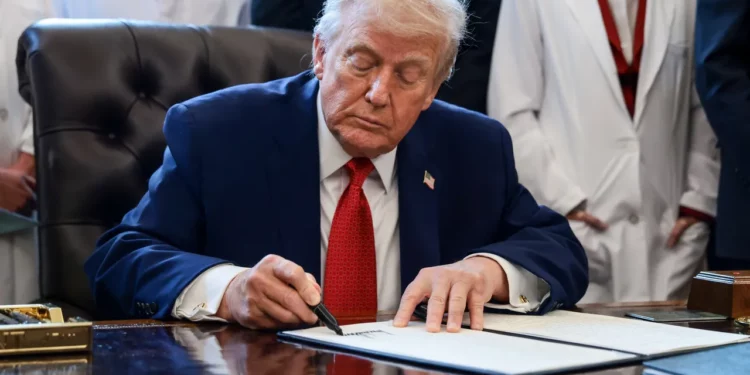
The United States has signed new health funding agreements with at least nine African countries, including Nigeria, Kenya, Rwanda, and Uganda, marking a major shift away from traditional aid. These deals, the first under the Trump administration’s “America First” global health framework, replace USAID-managed programmes with bilateral agreements that limit US contributions and require countries to take on more responsibility for financing their own health systems.
The agreements come amid sweeping cuts in US aid, reducing annual health spending to Africa by an average of 49 percent compared with 2024. While the deals provide multi-year support, funding levels are significantly lower, with Mozambique receiving $1.8 billion, Lesotho $232 million, and Eswatini $205 million, alongside requirements to increase domestic health spending.
Officials say the new framework promotes accountability and sustainability, but critics warn that many African countries, already grappling with fiscal constraints and rising debt, may struggle to fill funding gaps. The agreements reflect the administration’s preference for bilateral deals over multilateral aid, raising concerns about potential political considerations in negotiations, even if publicly framed as purely health-focused.
For African nations, the deals offer continued engagement with the US but on stricter, more transactional terms. Observers caution that the long-term impact on disease control, outbreak preparedness, and health equity remains uncertain, with countries needing to bolster national health financing to avoid worsening vulnerabilities.