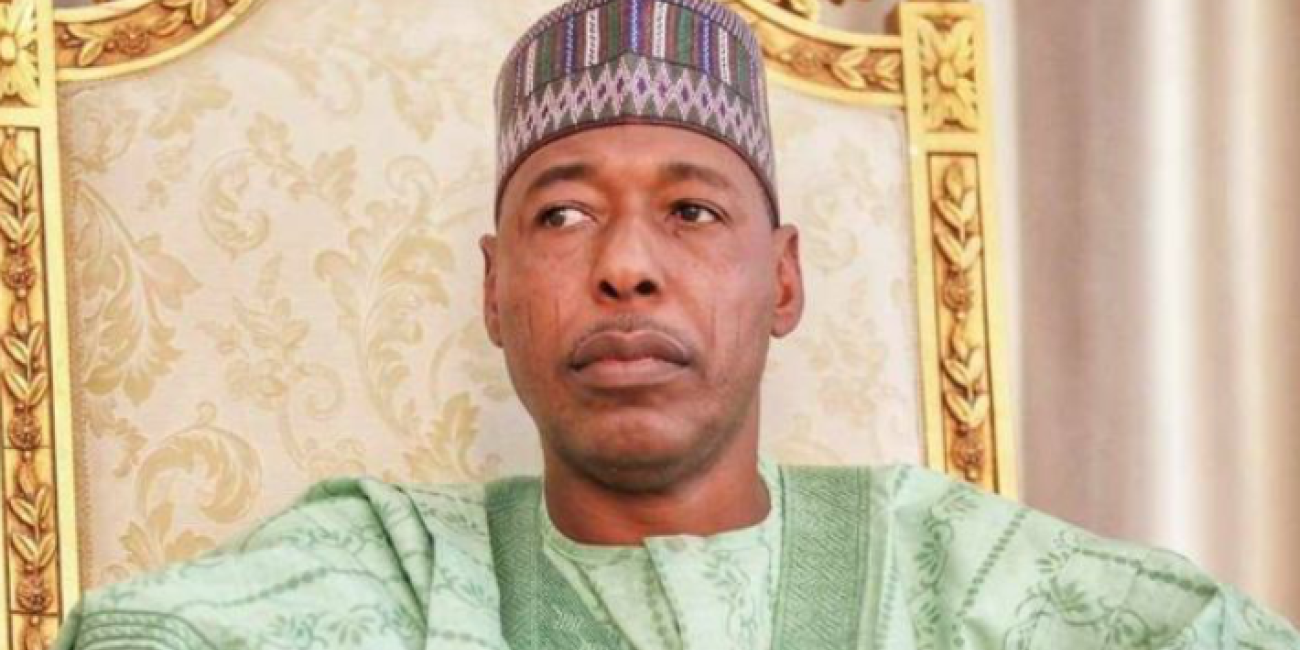
A closer look at the 2026 budget of Borno State has sparked fresh debate, after details revealed that nearly ₦900 million has been set aside just for furniture in the Government House.
According to the figures, the allocation covers items like tables and chairs—60 sets of tables, 40 visitors’ chairs, and 10 cushion chairs. For many observers, it’s not just the items themselves, but the scale of the spending that is drawing attention.
But the furniture budget is only part of a much bigger picture.
Within the same Government House spending plan, ₦800 million has been earmarked for eight Toyota Hilux vehicles for security operations, while another ₦1 billion is allocated for generators to power the complex. There are also plans for new buildings, including ₦1 billion for a guest house and ₦1.8 billion for additional office blocks.
Even residential and support facilities are included—₦100 million for 100-bedroom apartments and another ₦100 million for staff quarters.
On the surface, these allocations may reflect efforts to upgrade infrastructure. But for many, they raise a deeper question: how much should be spent on comfort and administration compared to critical public needs?
Other items in the budget continue to fuel that conversation. There is ₦500 million for celebrations such as Eid, Children’s Day, and New Year events. Kitchen equipment is budgeted at ₦50 million, while communication gadgets and security equipment are set at ₦100 million.
Then comes one of the most talked-about figures—₦150 million allocated for feeding sheep and goats within the Government House. Broken down, that’s over ₦400,000 daily.
Beyond the Government House, past spending records also show billions allocated to programmes supporting former insurgents under reintegration efforts. While such programmes are often defended as necessary for long-term peace, comparisons with funding for healthcare and public services have raised concerns.
For instance, previous budget data indicates that spending on reintegration exceeded allocations for key health institutions in the state—something critics say highlights misplaced priorities.
At its core, the conversation is no longer just about numbers.
It is about balance, priorities, and accountability.
In a state that has faced years of insecurity and humanitarian challenges, many Nigerians are asking whether such spending reflects the most urgent needs of the people—or the comfort of those in power.
As discussions continue, one thing is clear:
budgets are not just financial documents—they are a reflection of what a government chooses to value most.