[ad_1]
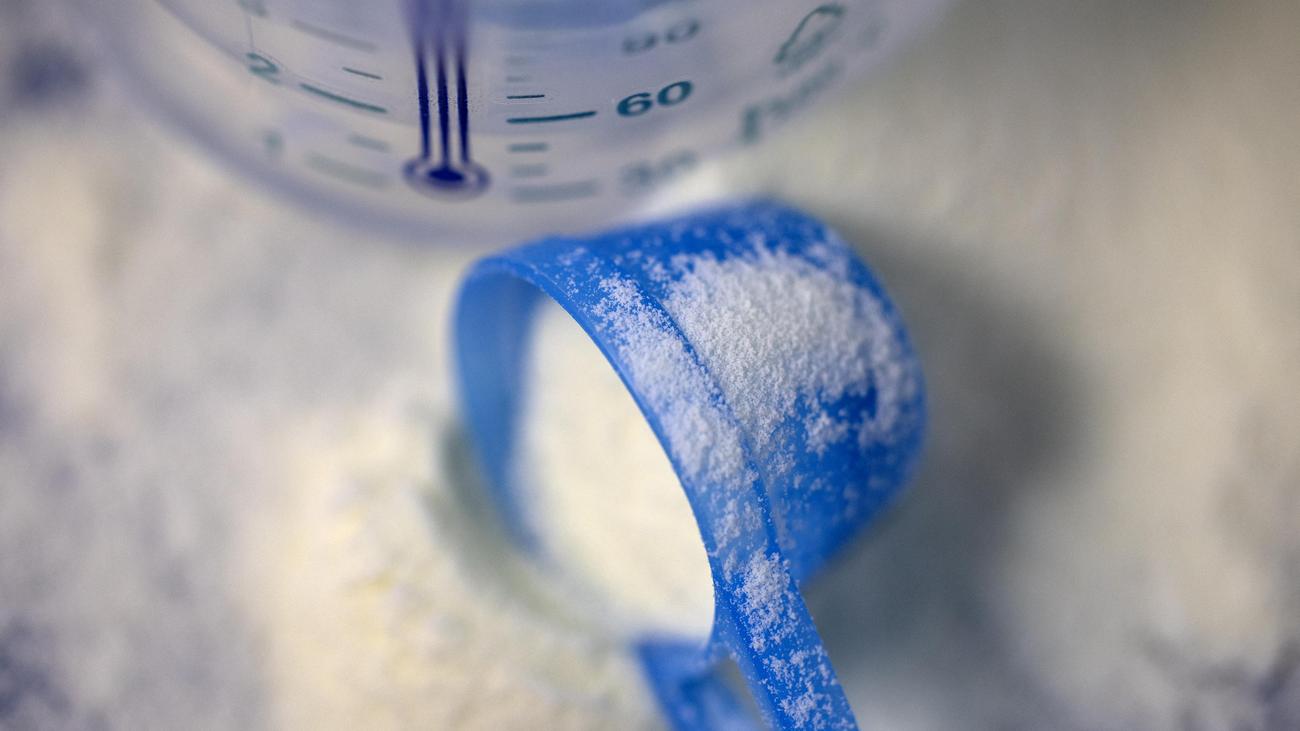
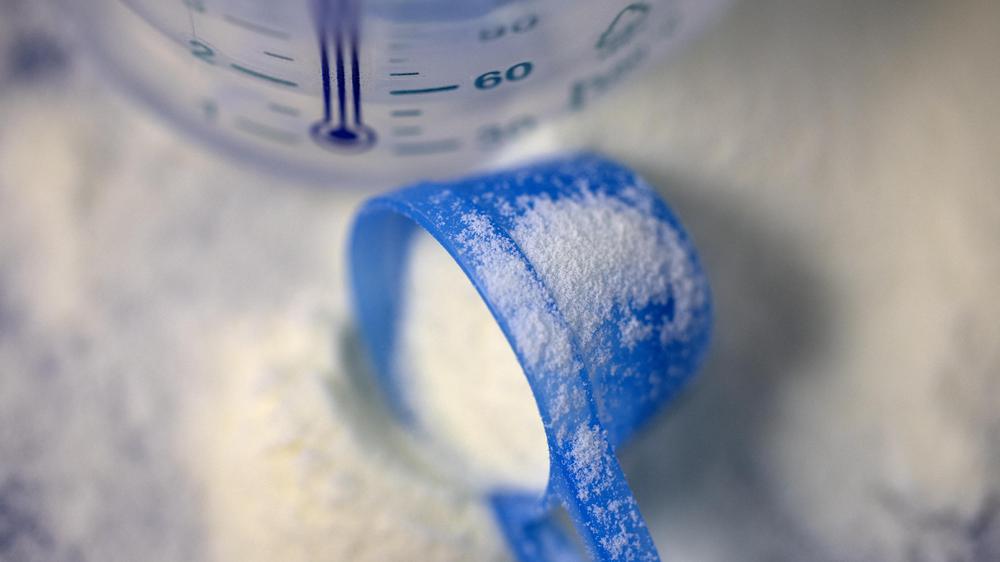
Cases of contaminated baby milk are causing a stir in France. Families are also reporting in Germany – but the reports are getting bogged down in a confusion of responsibilities.
© Fred Tanneau/AFP via Getty Images
Insa Backhaus came across the warning from Nestle. At the beginning of January, she was looking for products for her nine-month-old daughter on the food company’s website when she learned about possibly contaminated milk powder. Then it clicked: Her daughter had been regularly vomiting profusely about 30 minutes after taking the bottle. Backhaus mixed the bottle with milk powder from Nestlé.
She dismissed her daughter’s vomiting at Christmas as an unusually long gastrointestinal infection – just like her pediatrician. “Now I had an explanation,” says the medical sociologist. Backhaus contacted Nestlé because the cans were among the affected batches that the company had recalled. She stopped giving her milk overnight – her daughter immediately felt better and kept her food down again.
[ad_2]