[ad_1]
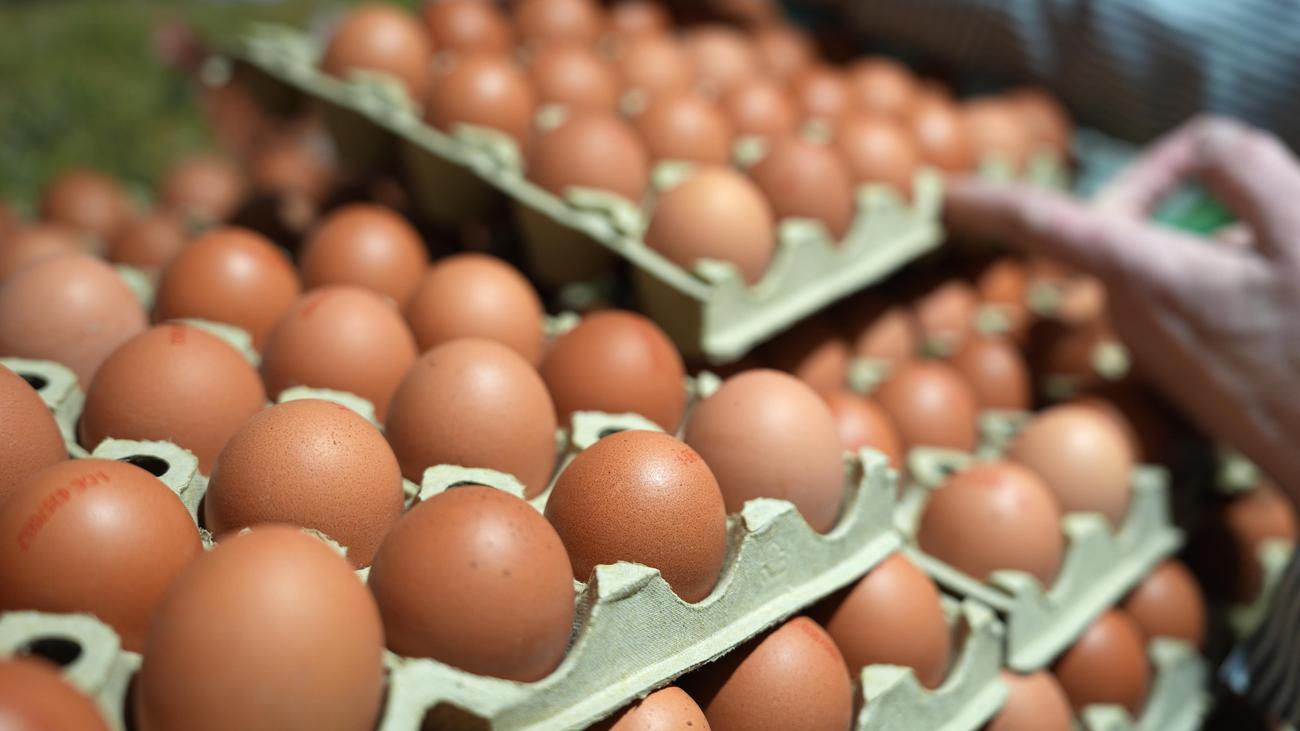
German laying hen farmers are expecting a shortage of eggs shortly Easter. Currently, producers can no longer meet demand, said the chairman of the Federal Egg Association, Hans-Peter Goldnick Central German newspaper. Nationwide, one out of ten packages requested is missing.
There are several reasons for the shortages: avian influenza, lower imports of eggs and higher consumption. According to the Egg Association, Germans now eat an average of 255 eggs per year. That’s 30 more than three years ago. This is because the egg is “no longer considered a cholesterol bomb,” but rather a protein carrier, said Goldnick.
According to him, over two thirds of the eggs in supermarkets come from regional farms, the rest are supplied from the Netherlands. However, the country is reducing mass production to meet environmental regulations, said Goldnick.
Avian influenza is also affecting businesses. Last fall, 40,000 laying hens had to be killed at a farm in Mansfeld-Südharz due to a virus outbreak. Overall, the industry lost three percent of all laying hens to the H5N1 virus last year, said the head of the association. “These are impacts that are noticeable in a tight market. This will get worse at Easter,” said Goldnick.
[ad_2]