Many Nigerians expected petrol prices to ease once local refining started picking up, especially with the Dangote Refinery now in operation. But according to the refinery’s management, things are not that simple. The company says the expected relief at the pump has been weakened by global market pressures, especially the growing tensions in the Middle East, which remains one of the world’s biggest crude oil centres.
Speaking during an interview on Arise Television, the refinery’s Managing Director, David Bird, explained that the company is fully exposed to international market realities. In his words, the refinery operates without subsidy, meaning every major cost — from crude oil to freight and insurance — is influenced by global events. He said the company tries to maintain some level of price stability, but only within what is commercially realistic.
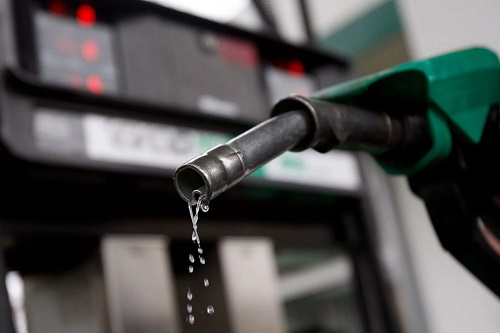
A market check by Vanguard showed that although crude oil prices dropped earlier this week, petrol pump prices across Nigeria have not followed the same direction. That is the part many Nigerians find frustrating. Usually, when crude prices rise, petrol prices jump almost immediately. But when crude prices fall, the same speed is rarely seen. As of yesterday, the nearly 20 percent increase recorded last week was still in place, with petrol selling at an average of about ₦1,300 per litre nationwide.
Bird admitted that the pressure on Nigerians is real and described it as part of a wider cost-of-living crisis. According to him, energy costs affect almost every part of modern life, from transport to food and general business operations. He also warned that even if the global conflicts ended today, the effects on supply chains would still linger for months because disruption in energy markets does not disappear overnight.
He also used the opportunity to call on the Nigerian government to look beyond crude oil prices alone and examine the broader cost of doing business in the country. According to him, there is a need for a more complete strategy that addresses operational costs, regulations, and long-term energy planning. He stressed that both government and industry players should begin thinking more seriously about strategic reserves and supply protection, saying past global shocks like COVID-19 should have already taught that lesson.
Another major issue raised by the refinery is crude supply itself. Bird complained that the current crude allocation system in Nigeria is not giving the refinery enough of the type and volume of crude it actually needs. He explained that the refinery is built to perform best with certain Nigerian crude grades, and although those preferences are submitted, the refinery often does not get the grades it requests — or enough of them.
That shortage, he said, is forcing the refinery to return to the international market to buy the same Nigerian crude grades it wanted in the first place, only this time in US dollars and at a premium. Under the Crude for Naira arrangement, he said only about 30 to 35 percent of the refinery’s crude need is covered, and even that comes at international benchmark prices with no subsidy or discount. On top of that, the refinery still has to deal with rising freight charges, insurance costs, and an extra premium reportedly above $18 per barrel for those preferred Nigerian crude grades.