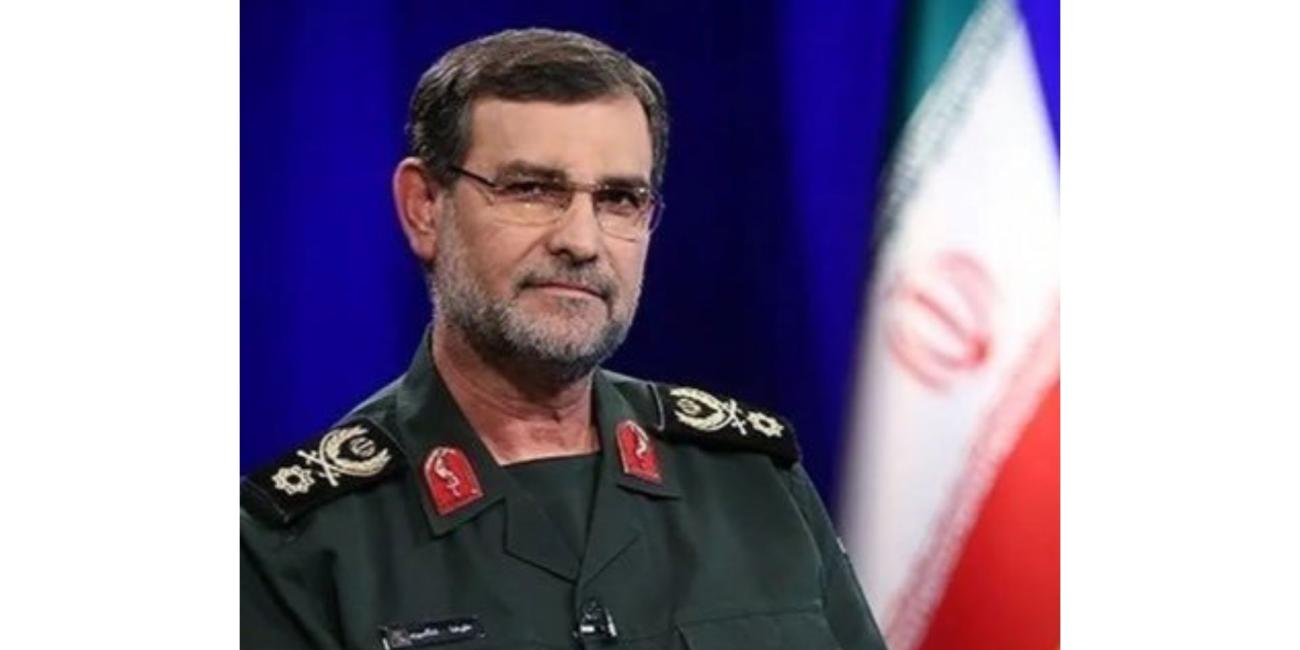
The Israeli government says it has killed Alireza Tangsiri, one of Iran’s top naval commanders, in what appears to be another major escalation in the deepening confrontation between both countries.
According to Israeli Defence Minister Israel Katz, Tangsiri was killed in a targeted military operation on Thursday, alongside other senior naval officials. Katz claimed the Iranian commander was directly linked to threats and attacks around the Strait of Hormuz, one of the world’s most strategically important oil routes. Reuters also reported that U.S. Central Command later confirmed Tangsiri’s death following the Israeli strike.
Tangsiri was not just another military officer. He was a central figure in Iran’s naval posture in the Gulf and had led the naval arm of the Islamic Revolutionary Guard Corps since 2018 after years as deputy commander. His name had become especially associated with Iran’s hardline warnings over the Strait of Hormuz — the narrow but extremely sensitive waterway through which a large share of the world’s oil shipments passes.
In recent months, he had continued to publicly project a confrontational stance toward Western powers and countries seen as hostile to Iran. Reports say messages linked to him had repeatedly warned that vessels associated with Iran’s enemies should not be allowed safe passage through the strait, a position that again underlined how central he was to Tehran’s maritime pressure strategy.
His killing, if fully confirmed by Iran, would mark a very serious blow to the IRGC’s naval command structure and could further raise fears of retaliation in an already unstable region. Any disruption involving the Strait of Hormuz is never treated as a local issue alone — it immediately becomes a global energy and security concern because of the impact it could have on oil supply, shipping, and wider Middle East tensions.
As of now, Iranian authorities have not publicly issued a full official response to the reported strike. But if the claim stands, this would not just be the death of a military commander — it would be another dangerous sign that the Israel-Iran confrontation is moving deeper into high-value, high-risk military targeting.