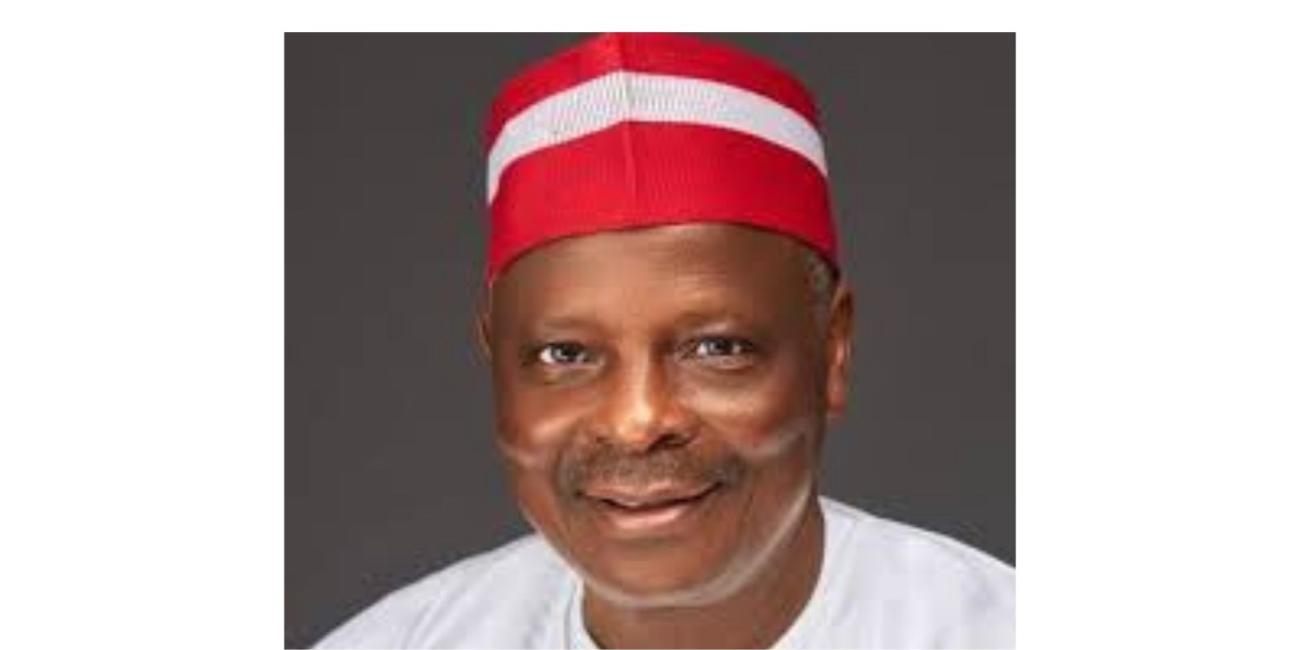
Former Kano State governor and NNPP leader Rabiu Musa Kwankwaso is expected to formally join African Democratic Congress on Monday, a move that could significantly reshape opposition politics ahead of the 2027 elections. Reports published on Saturday say the decision follows weeks of consultations between Kwankwaso, leaders of the Kwankwasiyya movement and ADC figures, with his formal registration reportedly scheduled for Monday in Kano.
The move does not appear sudden. In recent days, Kwankwaso has held visible meetings with ADC National Secretary Rauf Aregbesola and Kano ADC leaders, while broader talks have also linked him with opposition figures such as Peter Obi, Seyi Makinde and Seriake Dickson as part of a possible coalition-building effort against the APC. That makes this less like a routine defection and more like a calculated political repositioning.
What makes the development even more important is the timing. Kwankwaso’s planned exit from the NNPP comes after a major rupture in Kano, where Governor Abba Kabir Yusuf and several lawmakers formally defected to the APC earlier this year. Kwankwaso publicly opposed that move and described it as betrayal, a sign that the once-solid Kwankwasiyya structure is now undergoing a serious internal split.
Politically, this is where things become interesting. If Kwankwaso successfully takes his grassroots machinery into ADC, the party could quickly become more than just another opposition platform. It could become one of the central battlegrounds for anti-APC coalition talks. But that also creates another challenge: too many heavyweight figures may be trying to enter the same room with presidential ambitions of their own.
So while the defection may look like momentum on the surface, the real test will be whether ADC can turn all this movement into one clear political direction. In Nigerian politics, alliances are easy to announce. Holding them together is the real work.