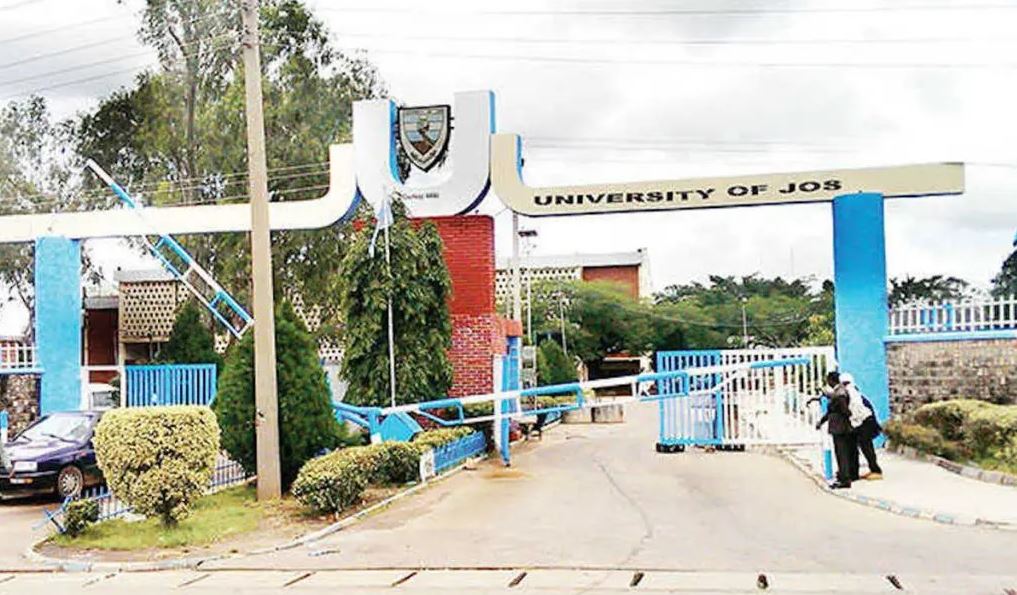
The University of Jos has taken a necessary but troubling step after the deadly attack in Anguwan Rukuba, postponing all examinations scheduled for Monday and Tuesday as tension spreads across the city.
At face value, this is an academic adjustment. But in reality, it is another reminder of how insecurity in Nigeria keeps spilling into spaces that should feel protected — homes, communities, and now the classroom.
According to the university, the decision was driven by the attack on residents of Anguwan Rukuba in Jos North, an area where many UNIJOS students and staff live. That detail matters. This was not some distant incident happening “somewhere else.” It hit a community directly connected to the university population, and once that happens, exams naturally stop being the priority.
In a statement signed by the Deputy Registrar, Information and Public Relations, Emmanuel Madugu, the institution said the Vice-Chancellor approved the postponement in the interest of safety.
“In view of the fatal attacks by unknown gunmen on residents of Anguwan Rukuba, an area that accommodates many staff and students of the university and the tension it has generated, the Vice-Chancellor has directed that all examinations scheduled for Monday, March 30, and Tuesday, March 31, 2026, be postponed and rescheduled.”
That is the right call.
No university should pretend academic normalcy exists when fear is hanging over the city and members of its own community may be traumatised, displaced, or at risk.
UNIJOS also urged students and staff to remain cautious and avoid unnecessary exposure, especially in the early hours of the day.
“For emphasis, members are strongly advised to avoid coming out very early in the morning and to report any sign of security breach to the University Security Division,” the statement added.
That warning alone tells you how serious the atmosphere is.
And sadly, this is becoming too familiar across parts of Nigeria — where institutions are now forced to function around violence instead of simply focusing on education.
For students, postponed exams may feel like a temporary relief. But beneath that is anxiety, uncertainty, and the deeper frustration of having your education interrupted by insecurity you did not create.
The bigger issue now is not just rescheduling papers. It is whether residents, students and staff can feel safe enough to return to normal life without fear.
Because when a university begins to organise itself around survival rather than learning, that is not just a school problem — it is a national one.