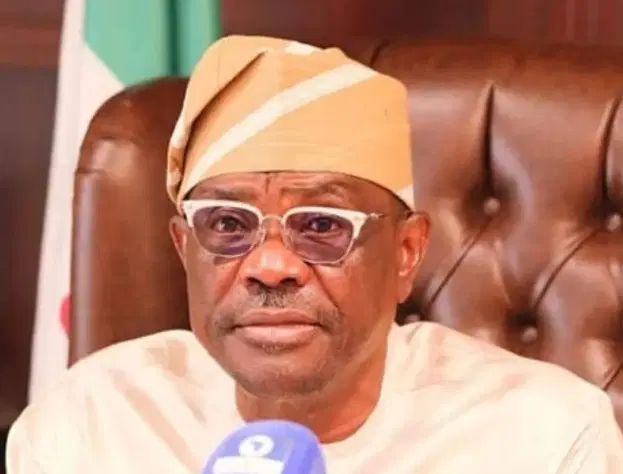
By Erasmus Ikhide
THE recent outburst by the Minister of the Federal Capital Territory, Nyesom Wike—wherein he graphically suggested he would have “broken the screen to shoot” Channels TV journalist Seun Okinbaloye—has transcended the realm of typical political theater.
To the casual observer, it was a moment of unfiltered frustration; to the seasoned analyst of Nigerian power dynamics, it was a chilling confirmation of a deep-seated pathology that has followed Wike from the motor parks of Rivers State to the corridors of the FCT.
A Lineage of Intimidation
Nyesom Wike’s political ascent is a study in the strongman archetype. His trajectory, beginning in local government and culminating in a two-term governorship characterized by high-octane confrontation, has long been shadowed by allegations of ruthless pragmatism.
Critics and rights monitors have frequently pointed to a disturbing pattern: a penchant for rhetoric that treats dissent not as a democratic necessity, but as a mortal offense.
From his well-documented public humiliation of traditional rulers in Rivers State to his more recent verbal assault on a young military officer in Abuja, Wike’s brand of leadership appears rooted in the subversion of institutional respect.
When a leader openly threatens those who exercise their franchise for opposition candidates—as seen during the 2023 general elections—it signals a disdain for the very humanity he is sworn to protect.
The “Shot” Heard ‘Round the Fourth Estate
The threat against Seun Okinbaloye is not an isolated incident; it is the logical conclusion of an unchecked ego. What makes this particular event more tragic was the reaction of the poor and hungry journalists present. Instead of a principled walk-out in solidarity with their colleague, the room echoed with sycophantic laughter.
This imbecilic display of subservience highlights a secondary crisis: the economic vulnerability of the Nigerian press, which often forces the watchdog to wag its tail at the feet of the master.
The Minister’s anger was sparked by a fundamental question of democratic pluralism. By attacking a journalist for expressing an opinion on the dangers of a one-party state, Wike inadvertently unmasked a darker agenda. His rhetoric lends credence to the growing fears that the current administration may be entertaining techno-authoritarian shifts or constitutional truncations aimed at life presidency.
The Wealth Without Work Paradox
Perhaps the most concerning aspect of the Wike Phenomenon is the disconnect between his professional history and his reported opulence. With no significant career history outside of the political apparatus since graduation, the questions regarding the source of his vast influence and rumored foreign assets, including properties in France, remain unanswered. In any developed democracy, such a profile would trigger immediate lifestyle audits and transparency inquiries.
The Case for Psychiatric Evaluation
Public office is a trust, and the fitness for such trust must be both moral and mental. The erratic nature of the Minister’s outbursts—fueled by a perceived sense of invincibility—raises a legitimate question for the Nigerian public: Is the Minister’s mental health compatible with the demands of his office?
When a high-ranking official consistently relies on threats of violence and primitive showmanship to settle intellectual disputes, it is no longer politics as usual. It is a call for concern. Nigeria cannot afford hollow-headed vanity in its cabinet.
Rehabilitation or Ruin?
The Bio-Digital age requires leaders who are tacticians of peace and architects of institutional stability, not relics of motor-park thuggery. Nyesom Wike’s penchant for brutality and his disdain for the constitutional rights of the press suggest a man who belongs in a rehabilitation center rather than a ministry.
If Nigeria is to survive its current security and economic malaise, it must first cure itself of the madness of men who believe that stolen money and a loud voice are substitutes for a sound mind. The “shoot” remark was not a metaphor; it was a window into a soul that has lost its way in the labyrinth of power.
Erasmus Ikhide contributed this piece via: ikhideluckyerasmus@gmail.com