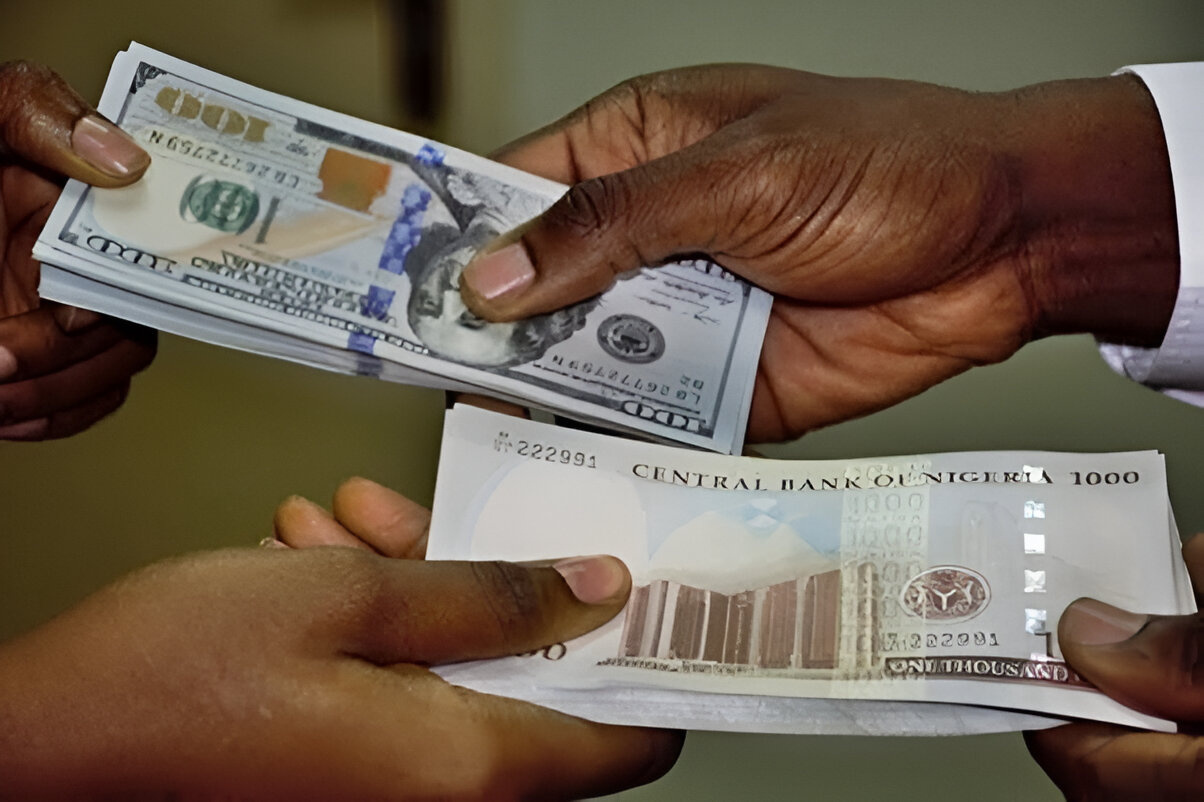
The Nigerian naira showed signs of stability on Wednesday, April 29, 2026, even as demand for foreign currency remained high and traders stayed cautious.
At the official market — the Nigerian Foreign Exchange Market (NFEM) — the naira traded at around ₦1,360 per dollar in early sessions. Data indicated a rate of about ₦1,360.19/$, reflecting only slight day-to-day movement. This steady performance suggests that market forces are gradually finding balance, helped by ongoing interventions and controlled demand.
In fact, this stability isn’t new. Over recent sessions, the naira has largely hovered between ₦1,350 and ₦1,360 at the official window, signaling a consistent effort to keep the currency within a manageable range.
However, the story is different in the parallel (black) market.
Due to stronger demand for dollars outside official channels, the naira traded weaker — with rates ranging from ₦1,400 to ₦1,480 per dollar, depending on location and transaction size. This gap continues to exist because many importers, travelers, and individuals still struggle to access foreign exchange through banks and official systems.
Analysts say the current situation reflects a delicate balance. While the official market appears stable and controlled, the parallel market is absorbing excess demand that isn’t being met elsewhere.
Overall, the naira’s performance on April 29 highlights a currency holding firm under pressure — stable on the surface, but still facing underlying demand challenges.