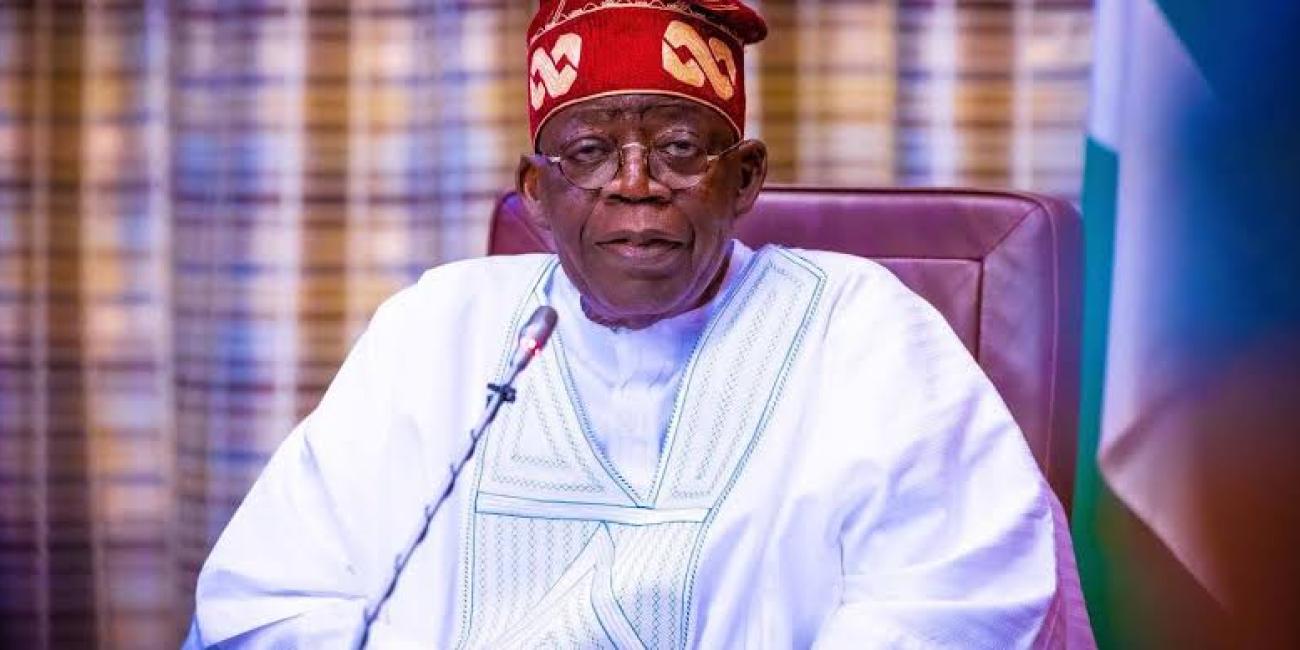
President Bola Tinubu has said his administration has made significant progress in improving Nigeria’s electricity supply, despite ongoing complaints from citizens over frequent national grid collapses, persistent blackouts, rising tariffs, and estimated billing challenges.
Speaking on Sunday during his nomination acceptance speech after emerging as the All Progressives Congress (APC) presidential candidate for the 2027 elections, Tinubu defended his government’s performance in the power sector.
He claimed that his administration has reduced the metering gap, improved electricity generation, and introduced financial reforms aimed at stabilising the industry.
According to him, “We promised improved power supply and an end to estimated billing. In the past three years, we have closed the metering gap by supplying 2.5 million meters through the Presidential Metering Initiative.”
He also noted that a ₦4 trillion bond programme had been introduced to clear verified debts owed to generation and gas companies.
Tinubu further stated that electricity generation has at times reached 6,000MW under his administration, describing it as a 50 percent increase compared to what was inherited.
“Our strategy is focused on redesigning the power sector into a bankable and investable system that delivers reliable electricity to homes and industries,” he added.
However, his claims come at a time when many Nigerians continue to experience worsening electricity supply, with repeated grid collapses, prolonged outages, and ongoing protests over high tariffs and estimated billing.
Since 2023, the national grid has reportedly suffered multiple collapses, plunging several parts of the country into darkness and raising fresh concerns about the stability of the power infrastructure.
Despite government assurances, citizens and businesses still rely heavily on generators due to unreliable public electricity supply.
Industry experts maintain that current generation levels remain far below national demand, while critics argue that reforms have yet to translate into meaningful improvements in everyday power supply.
The administration insists, however, that ongoing reforms are laying the foundation for a more stable and investment-driven electricity sector in the coming years.