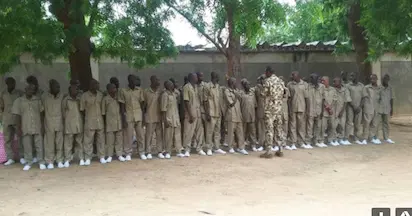
The Borno State Government has responded to growing public concerns about the reintegration of former insurgents, insisting that strong safeguards are in place to prevent a return to violence. Central to its strategy, officials say, is a final oath sworn on the Quran—considered a deeply binding commitment within the rehabilitation process.
Speaking on the issue, Zuwaira Gambo explained that the oath marks the concluding stage of the state’s deradicalisation model. According to her, the spiritual weight attached to swearing on the Quran serves as a powerful deterrent, discouraging beneficiaries from going back to insurgent activities.
Gambo also addressed fears that some rehabilitated individuals could rejoin armed groups. She argued that such individuals would likely face rejection or even death within insurgent ranks, as surrendering to government authorities often leads to being labelled as traitors by extremist groups.
The programme, known as Operation Safe Corridor, has recently come under scrutiny following the graduation and planned reintegration of hundreds of former fighters. While the government sees it as a pathway to peace and stability, critics remain skeptical about its long-term effectiveness.
One of the key challenges highlighted by the state government is funding. Gambo noted that providing food, shelter, education, and other essential services for participants requires significant financial resources, which are currently limited. This, she said, affects the sustainability and efficiency of the programme.
Stakeholders have also raised ethical and security concerns. Afam Osigwe warned that reintegration efforts must not overlook victims of insurgency, stressing that justice and healing for affected communities should be prioritised alongside rehabilitation.
Similarly, Isa Sanusi called for greater transparency in the process. He urged the government to provide clearer information about the backgrounds of those being reintegrated, including the extent of their involvement in past violent activities.
As debates continue, the programme remains a delicate balancing act between promoting peace and ensuring justice. While authorities defend it as a necessary step toward ending insurgency, public trust will likely depend on transparency, accountability, and visible outcomes in the months ahead.