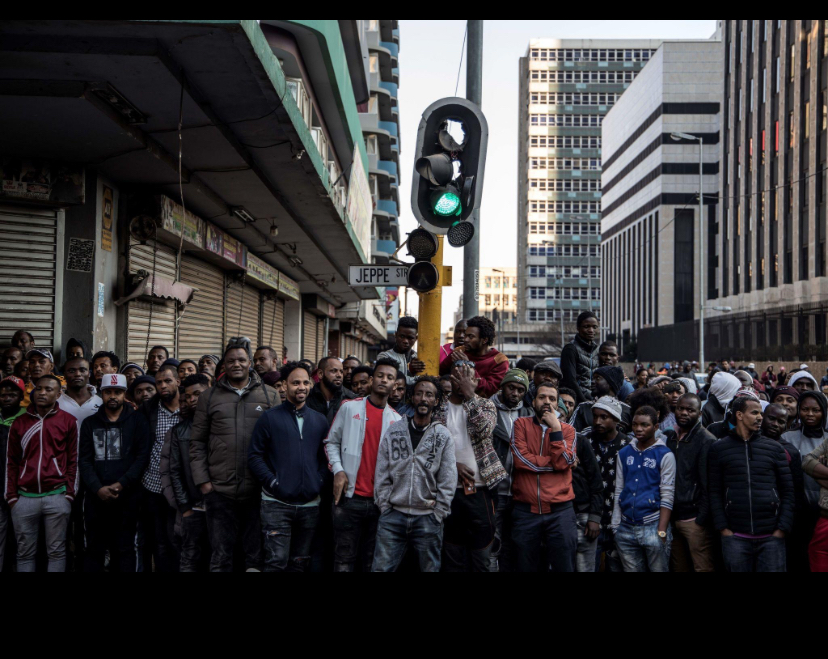
Ghana has taken a strong diplomatic step, raising concerns about recurring xenophobic attacks in South Africa and calling for urgent continental intervention. In a formal communication to the African Union Commission, Ghana described the situation as a matter that now goes beyond one country and requires collective African action.
The letter, dated May 6, 2026, was signed by Samuel Okudzeto Ablakwa ahead of the upcoming African Union Mid-Year Coordination Meeting scheduled to hold in El Alamein. In it, Ghana expressed deep concern over repeated attacks on African migrants, noting that these incidents have led to loss of lives, destruction of businesses, and growing fear among foreign nationals.
What makes the situation more troubling, Ghana pointed out, is the history behind it. Many African countries once stood firmly with South Africa during the struggle against apartheid. Now, seeing Africans targeted within South Africa raises difficult questions about unity and shared values on the continent.
While acknowledging that South Africa has the responsibility to manage its internal affairs, Ghana stressed that such attacks go against the core principles of the African Union—especially pan-Africanism, unity, and regional cooperation. The government warned that if left unchecked, xenophobic violence could weaken trust among African nations.
Ghana is not just raising concerns—it is also proposing solutions. Among its key recommendations are the inclusion of xenophobic violence on the AU summit agenda, stronger monitoring systems to ensure countries protect human rights, and the creation of a fact-finding mission to investigate the root causes of these attacks. It also called for dialogue and reconciliation efforts to promote tolerance.
Another major concern is the potential impact on the African Continental Free Trade Area. Ghana warned that continued violence could undermine the free movement of people and goods across the continent, which is central to Africa’s economic integration plans. If people do not feel safe moving across borders, then trade and cooperation will also suffer.
In its message, Ghana invoked the legacy of Kwame Nkrumah, reminding African leaders that the continent’s strength lies in unity. The government emphasized that Africa can only reach its full potential when its people respect and protect one another, regardless of nationality.
At its core, this move reflects a growing concern that xenophobia is not just a social issue—it is a threat to Africa’s future. As leaders prepare to meet, the big question remains whether the African Union will take stronger, more coordinated action to address a problem that continues to test the idea of true African unity.