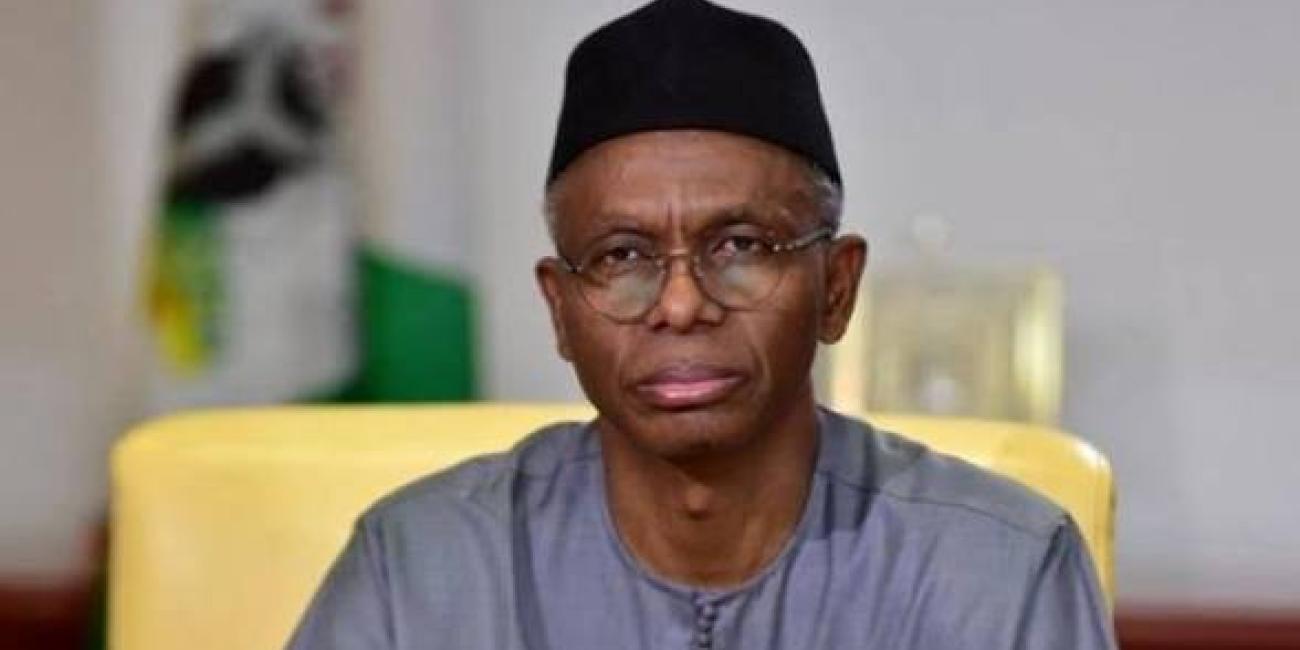
The Independent Corrupt Practices and Other Related Offences Commission has clarified why leaders of the African Democratic Congress were denied access to former Kaduna State governor, Nasir El-Rufai, who is currently in its custody.
According to ICPC spokesperson J. Okor Odey, the decision was based strictly on the terms of a court order governing visitation rights, which he said only permits access to El-Rufai by his family members, legal representatives, and medical doctors.
He explained that political associates and party officials were not included in the categories approved by the court, stressing that the Commission was acting within legal limits.
Odey also questioned the party’s basis for demanding access, saying: “Within this context, please what is the ADC?”
The clarification comes after senior ADC figures, including former Osun State governor Rauf Aregbesola, National Publicity Secretary Bolaji Abdullahi, and party chieftain Salihu Lukman, reportedly visited the ICPC headquarters in Abuja but were denied entry.
The incident has added to growing political tension surrounding El-Rufai’s detention and ongoing investigation.
A Federal High Court in Abuja had earlier granted El-Rufai bail in the sum of ₦100 million with one surety in like sum, alongside strict conditions, including property documentation and a high-ranking civil service guarantor.
The court also directed that only specified categories of persons be granted access to him while in custody, a condition the ICPC says it is strictly enforcing.
Meanwhile, El-Rufai’s wife, Aishatu El-Rufai, has previously accused the Commission of denying both medical personnel and family members access to the former governor, alleging violations of court directives.
The ICPC maintains that all actions taken regarding visitation are in compliance with the standing court order.