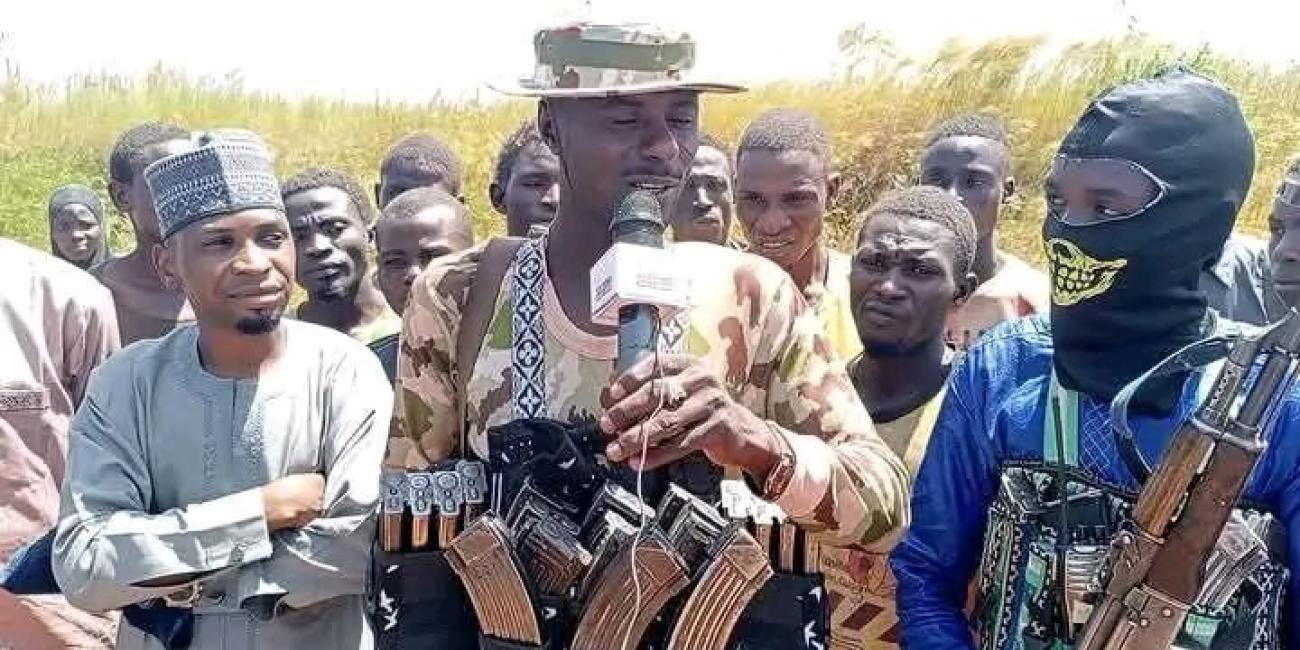
Panic is spreading across parts of Katsina State after armed bandits reportedly demanded ₦10 million from each of two communities—Garin Lamido and Yan Shuni—in Bakori Local Government Area.
For residents already struggling with insecurity and economic hardship, the demand feels like an impossible burden. Pay the money—or risk violent attacks.
According to reports, the group behind the threat is linked to a notorious bandit leader, and the latest development comes despite earlier “peace agreements” that were meant to restore calm in the area.
But for many locals, that promise of peace now feels distant.
A security alert by a counter-insurgency tracker confirmed that the renewed levies have forced families to abandon their homes, choosing displacement over danger.
What makes the situation more troubling is the timing. These demands are surfacing just months after negotiations between authorities, community leaders, and armed groups—talks that were expected to reduce violence.
Instead, residents say the threats have returned, raising serious concerns about whether such agreements are truly working.
Across the affected communities, fear is growing. Homes are being left behind, businesses disrupted, and daily life brought to a halt. Parents worry about their children, while farmers and traders face the loss of their livelihoods.
For many, the question is no longer just about safety—it is about survival.
Observers warn that the situation highlights deeper challenges in addressing insecurity in the northwest. If communities are still being forced to pay under supposed ceasefires, it raises difficult questions about enforcement, accountability, and the long-term effectiveness of negotiated peace deals.
For now, residents of Garin Lamido and Yan Shuni are left in uncertainty—hoping for protection, but preparing for the worst.