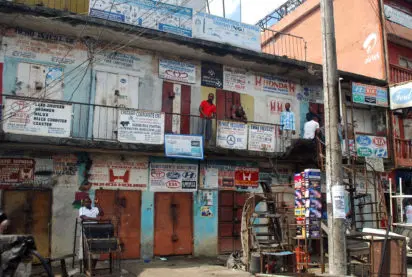
Across many Nigerian markets, the once lively atmosphere is gradually fading, replaced by an unusual quiet as traders shut down operations. What used to be bustling centres of daily commerce are now struggling to survive, with business owners unable to cope with the sharp rise in transportation costs and declining customer patronage.
At the heart of the crisis is the in fuel prices, which has significantly increased the cost of moving goods. Traders who previously spent around ₦3,000 on transport now pay almost double, squeezing already thin profit margins. This shift has made it increasingly difficult for small business owners to stay afloat, especially as consumers themselves cut back on spending due to rising living costs.
Many traders say the situation has created a painful cycle. As transport costs rise, they are forced to increase prices, but customers—whose purchasing power has weakened—buy less or walk away entirely. According to recent data from the National Bureau of Statistics, transport fares have risen sharply, with intercity bus fares and urban transport costs recording significant increases in 2026 alone.
For some, the impact has been severe enough to shut down operations completely. Traders report closing their shops for days—or even weeks—because daily sales no longer cover the cost of commuting to their business locations. Others have adopted survival strategies, including working from home or reducing the number of days they open.
The ripple effects extend beyond traders to the broader economy. A report by Stanbic IBTC Bank highlights how rising prices have eroded consumer purchasing power, forcing households to reduce spending and buy only essential items. This has further reduced demand in local markets, worsening the situation for sellers.
As the pressure mounts, small businesses—often considered the backbone of Nigeria’s informal economy—are bearing the brunt. Without relief from rising fuel and transport costs, many fear that more shops will close, deepening economic hardship and weakening grassroots commerce across the country.