By Erasmus Ikhide
TTHE Federal gvernment of Nigeria (FGN) currently teeters on a precarious edge, caught between the predatory instincts of archaic fiscal extraction and the non-negotiable imperative of a green transition.
In a landscape where the national grid has become a monument to systemic fragility—famed more for its periodic collapses than its utility—the rise of solar energy represents a grassroots triumph of human ingenuity over institutional decay.
Driven by the grit of private citizens and non-state actors, this decentralized power revolution has emerged as the only consistent beacon of hope in an otherwise dimmed nation.
The Churchillian Mirage and the Continuity of Failure
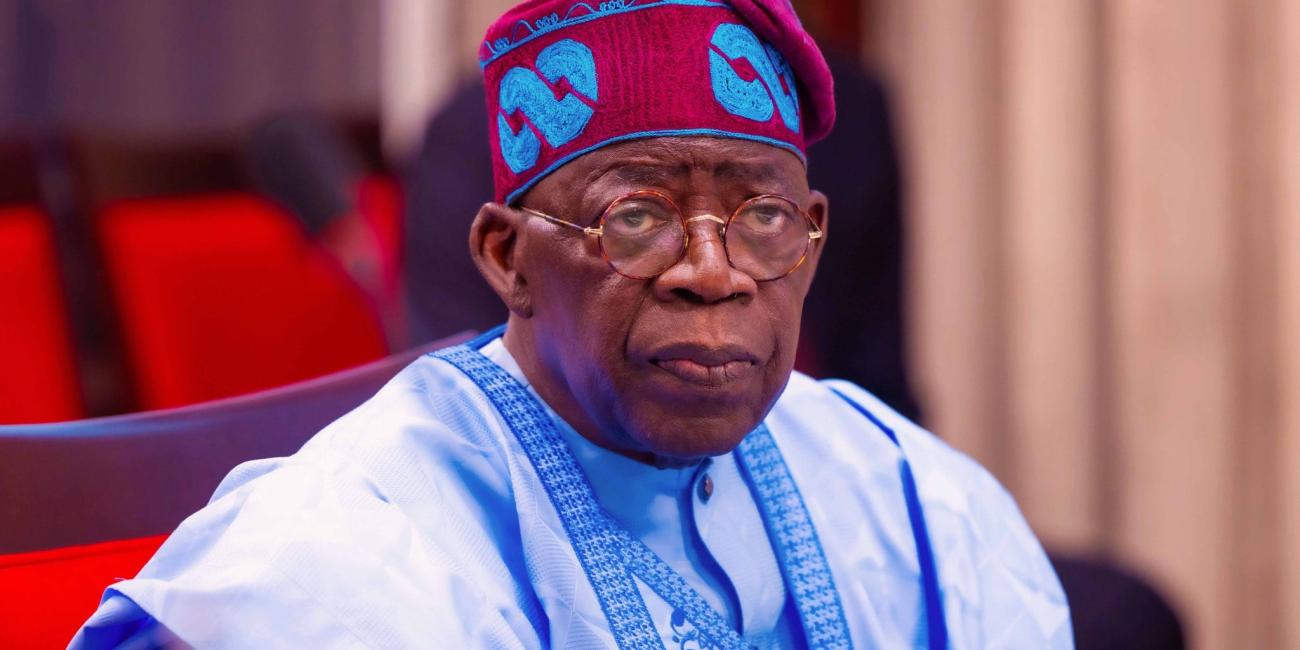
When President Bola Ahmed Tinubu campaigned for his predecessor, he invoked the historical gravity of Winston Churchill, painting a portrait of a wartime leader capable of rescuing a nation from the brink of catastrophe.
Having since tethered his destiny to the previous administration by declaring them one and the same, the current leadership has forfeited the right to blame the rot of the past for the paralysis of the present.
They are the sole custodians of this darkness. The promised “Renewed Hope” has curdled into a cruel irony; while the technical requirements for stable power are well within the grasp of modern engineering, the political will remains an elusive ghost.
The “Failure Premium”: A Tollgate on Resilience
To grasp the ethical void at the heart of taxing solar energy, one must examine the fundamental breach of the Social Contract. In any functional republic, the state collects taxes as a prerequisite for providing safety and infrastructure. In Nigeria, the state has defaulted on this pact.
The FGN’s chronic inability to provide a stable electron flow is a primary breach of duty. Each time citizens across the country installed a solar panel, they are privatizing a public utility that the state failed to deliver. Imposing a tariff on these installations is effectively a “failure premium.” It is a parasitic attempt by the government to monetize the very survival mechanisms citizens have built to bypass state incompetence. It is not revenue collection; it is a penalty on independence.
Economic Sabotage and the Hypocrisy of Aso Rock
From a technocratic standpoint, this policy is a deliberate act of economic self-harm. Nigeria’s SMEs—the engine room of our national life—are being throttled by energy costs that devour up to 60% of their revenue. Solar offers the only path to a predictable, long-term cost structure. By taxing inverters, deep-cycle batteries, and panels, the FGN is sentencing these businesses to a slow death or tethering them to the volatile, expensive umbilical cord of fossil fuels.
The hypocrisy is made visible in the halls of power. While the masses are squeezed for every kobo of their “sun-harvest,” the government reportedly authorized N10 billion of taxpayers’ funds to build a massive solar estate for Aso Rock. This facility remains a tax-exempt island of light in a sea of state-imposed darkness. A leader who bathes in subsidized, solar-powered luxury has no moral standing to hunt down the poor for attempting to do the same.
The Locke Mandate: A Call to Transformation
Nigerians are today caught in a “triple-threat” of existential terror: slaughtered by insurgents who operate with more precision than our security architecture, abandoned by the social contract, and now targeted by a predatory taxmaster.
The philosopher John Locke famously posited that when a government ceases to be a protector and becomes an existential threat to the prosperity of the governed, the citizens possess not just the right, but the duty to repel such overreach. We have been pushed to the wall. Docility is no longer a virtue when the state seeks to tax the very air and light required for survival.
The Verdict: A Poisonous Policy
The FGN cannot tax its way out of a crisis it lacks the discipline to solve. To tax solar is to tax the breath of a struggling economy and to sabotage the global fight against climate change. If Nigeria is to thrive in the 21st century, the state must pivot from being a gatekeeper of darkness to an enabler of light.
The sun belongs to the Creator and the people—it is not a revenue cash cow for a government that has lost its way. The shackles have become too heavy; the time for a total transformation of our energy sovereignty is now.
Erasmus Ikhide contributed this piece via: ikhideluckyerasmus@gmail.com