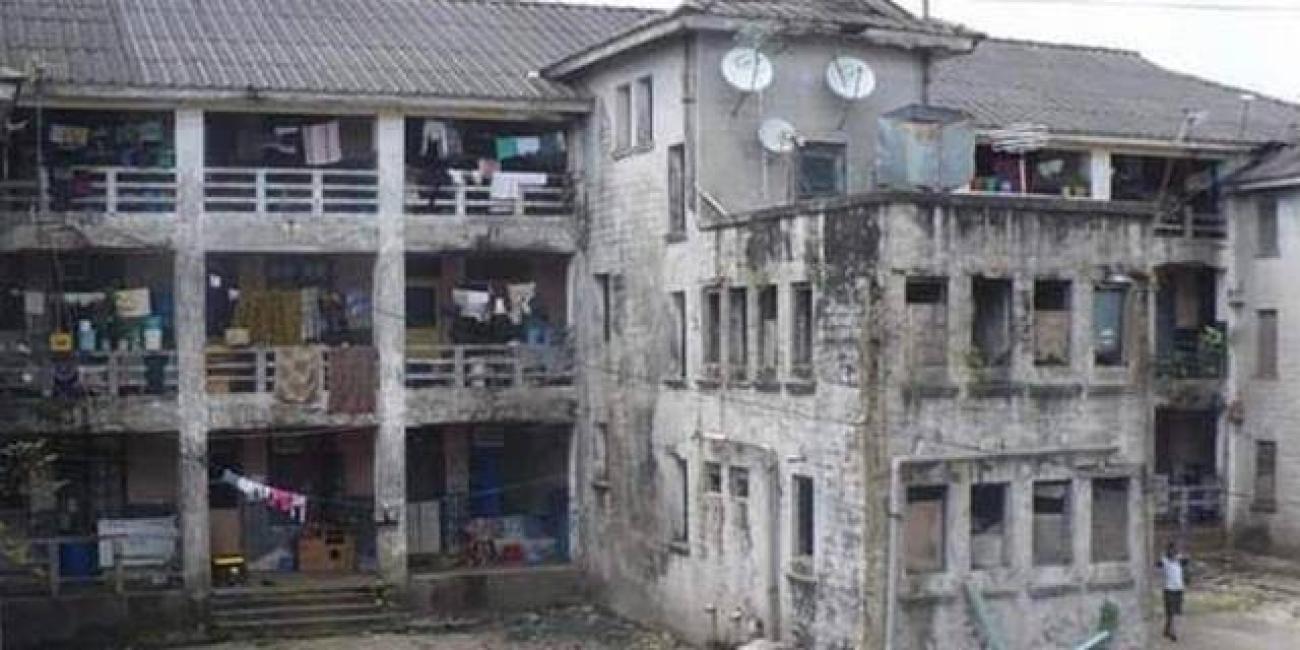
Tension is rising inside the Iponri Police Barracks in Lagos, but beyond the headlines and official directives, the real story is unfolding in living rooms, corridors, and among families unsure of what comes next.
Hundreds of police officers and their families have been asked to vacate their homes within days — Friday and Saturday, the 24th and 25th — leaving many in a race against time in a city where housing is already out of reach for many.
For the officers affected, this is more than a relocation. It is a sudden disruption to their lives, their children’s stability, and their ability to serve.
“This is not just about moving out,” one officer said quietly. “It’s about where we are expected to go within such a short time and with limited financial support.”
Authorities have proposed compensation — ₦2 million for two-bedroom apartments and ₦1 million for one-bedroom units — but many officers say the reality on the ground tells a different story. In Lagos, where rent prices continue to climb, those amounts barely scratch the surface of securing a modest home.
Behind each door in the barracks are families now packing in uncertainty. Children may be forced to change schools. Daily routines are being interrupted. And officers, who are expected to protect the public, are now grappling with the fear of homelessness.
The situation has stirred painful memories of past demolitions in places like Falomo and Obalende, where redevelopment promises were made but, years later, many projects remain unfinished. For those at Iponri, the worry is not just about leaving — it is about whether they will ever truly be resettled.
Experts warn that situations like this go beyond housing. When officers are unsettled at home, it affects how they perform on duty. Policing in a city as demanding as Lagos requires focus, stability, and trust — all of which are now under strain.
There is also the quiet loss that comes with displacement. Over time, officers build relationships within their communities — trust that helps them respond quickly and effectively. When they are suddenly moved, those bonds are broken, and rebuilding them takes time.
Calls are now growing for a more humane approach — one that considers the people behind the uniforms. Suggestions include phased redevelopment, where officers are not forced out all at once, and realistic housing support that reflects the true cost of living in Lagos.
For now, however, the clock is ticking.