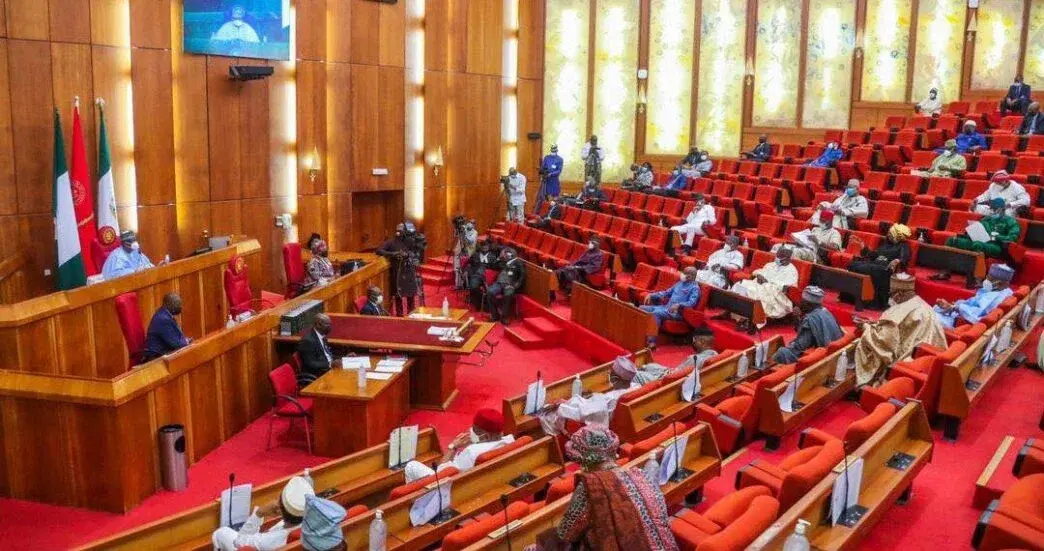
From consensus arrangements to allegations of manipulation and protests from aggrieved aspirants, the primaries showed that the fight for political survival inside the APC is already in full swing.
Several top figures in the National Assembly secured their return tickets without much resistance. Senate President Godswill Akpabio, Deputy Senate President Barau Jibrin, Senate Leader Opeyemi Bamidele, former Senate Leader Ali Ndume, and former Senate President Ahmad Lawan all emerged victorious through consensus or unopposed arrangements. Former Edo governor Adams Oshiomhole and Senator Orji Uzor Kalu also cruised to victory.
One of the biggest wins came from Kogi Central, where former governor Yahaya Bello secured a landslide victory with 72,399 votes across the district. However, the process was overshadowed by controversy after Senator Jibrin Isah rejected the Kogi East outcome, accusing Governor Ahmed Usman Ododo’s camp of hijacking materials and frustrating his supporters. He openly vowed to challenge Ododo politically, declaring that “the battle line has been drawn.”
In Delta State, major political figures clashed openly. Senator Ede Dafinone defeated former Deputy Senate President Ovie Omo-Agege in Delta Central, while former governor Ifeanyi Okowa crushed incumbent senator Ned Nwoko in Delta North. Omo-Agege, however, rejected the declared results and insisted he actually won the primary.
In Edo South, confusion and conflicting results deepened tensions inside the party. While APC officials announced Omoregie Ogbeide-Ihama as the winner, parallel results later surfaced declaring former governorship candidate Osagie Ize-Iyamu victorious. Senator Neda Imasuen condemned the process, describing it as a manipulated exercise allegedly designed to favour a preferred aspirant.
The APC also disqualified dozens of aspirants nationwide, with Rivers and Zamfara states recording the highest numbers. Among those barred were Rivers politician Tein Jack-Rich, Senator Ipalibo Banigo and former Rivers Head of Service Tammy Danagogo.
Banigo strongly criticised the party over her disqualification, arguing that women were already underrepresented in Nigerian politics and deserved fair treatment within the APC. She noted that only four women currently sit in the Nigerian Senate and warned against actions capable of discouraging female participation in leadership.
Meanwhile, former Bayelsa East senator Ben Murray-Bruce was reinstated after initially appearing on the party’s disqualification list, creating fresh confusion over the screening process.
In Cross River, all three serving senators — Asuquo Ekpenyong, Eteng Williams and Jarigbe Agom — secured return tickets through affirmation after rival aspirants were reportedly disqualified or stepped down.
Elsewhere, the APC heavily relied on consensus arrangements in Sokoto, Kebbi, Niger and Zamfara, where political heavyweights such as Aliyu Wamakko, Abdulaziz Yari and Adamu Aliero secured return tickets without intense competition.
One of the biggest political shocks came from Gombe State, where former governor Muhammad Danjuma Goje lost the APC ticket for Gombe Central to retired police officer Mohammed Ahmed, ending his bid for a fifth term in the Senate.
Despite widespread complaints and allegations of manipulation in some states, APC leaders insisted the primaries were peaceful, transparent and a reflection of growing unity within the party. But with many aggrieved aspirants already rejecting results and threatening legal or political battles, the fallout from the primaries may continue to shake the ruling party in the months ahead.