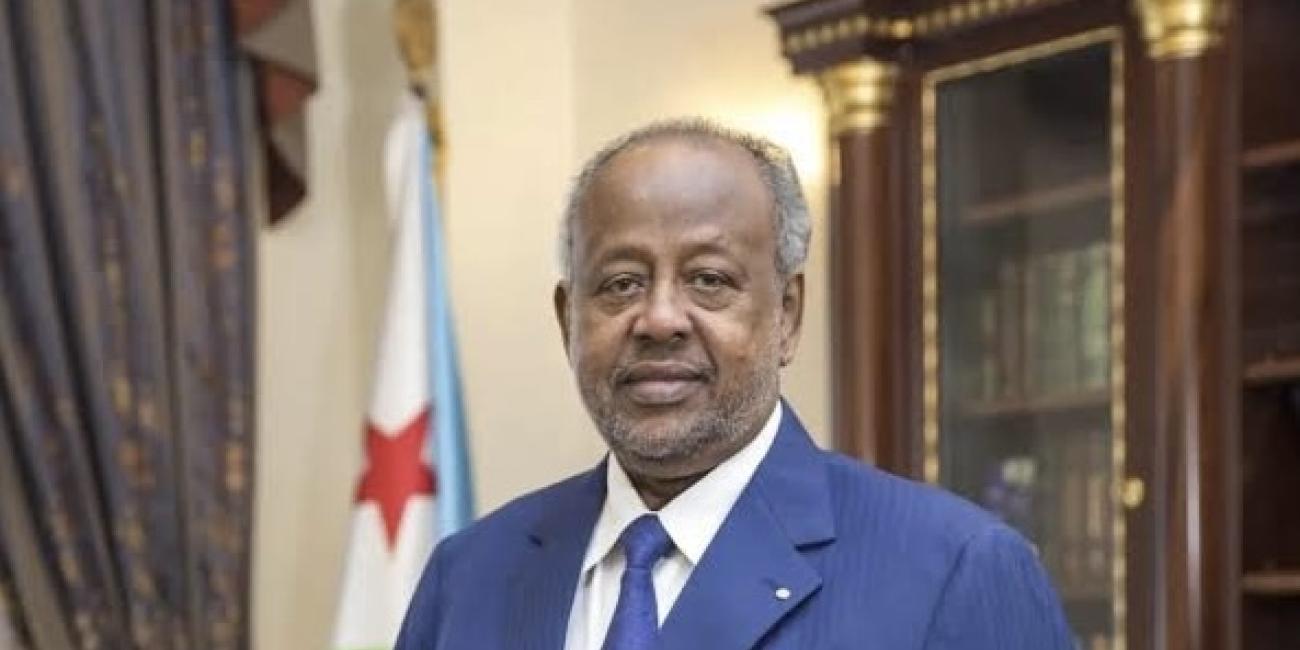
Djibouti’s long-serving leader, Ismael Omar Guelleh, has secured yet another term in office, extending a rule that has already lasted nearly three decades.
According to official results reported by Radio Television Djibouti, Guelleh won the election with an overwhelming 97.8% of the vote. The victory grants him a sixth term and further solidifies his grip on power in the small but strategically important East African nation.
Djibouti’s location makes it globally significant despite its size. Situated along the Gulf of Aden at the entrance to the Red Sea, the country hosts multiple foreign military bases, including those from the United States, China, France, Italy, and Japan. This positioning has made it a key hub for international security and maritime operations.
Guelleh, now 78, first came to power in 1999 after being selected to succeed his uncle, Hassan Gouled Aptidon. Since then, his party has maintained strong control over the country’s political system, making electoral victories like this largely expected.
In the latest vote, he faced only one challenger, Mohamed Farah Samatar, a relatively unknown figure from a small party without parliamentary representation. Major opposition groups stayed away from the election, continuing a boycott that began in 2016 over concerns about fairness and transparency.
Recent constitutional changes have also drawn attention. Lawmakers removed the presidential age limit and eliminated the requirement for a referendum to approve a new constitution—moves critics argue could further entrench Guelleh’s rule.
Despite criticism, Djibouti has remained relatively stable compared to other countries in the Horn of Africa. The government has invested heavily in infrastructure, especially ports, positioning the country as a vital trade gateway for landlocked Ethiopia.
However, human rights organisations continue to raise concerns about restrictions on political opposition, activists, and journalists. Authorities, on their part, deny these allegations and maintain that the electoral process is legitimate.
With this latest victory, the big question now is not just about Guelleh’s continued leadership—but about what the future of political competition and democratic space in Djibouti will look like going forward.