In view of the energy crisis, the… EU decided to relieve the burden on the industry. It allows its member states to temporarily grant higher discounts on electricity prices for certain companies, particularly in energy-intensive industries, agriculture and transport. To this end, the European Commission is temporarily adjusting its strict rules for state subsidies.
With the changes, the Commission wants to simplify state aid for small businesses. For aid of a maximum of 50,000 euros per company, applicants should not have to explain exactly how high their additional costs were. Instead, the EU states should be able to determine average prices and approve the applications directly. The European Commission’s easing will apply until the end of December. Furthermore, the member states must inform the Brussels authorities about planned measures.
Fertilizer around 61 percent more expensive than two years ago
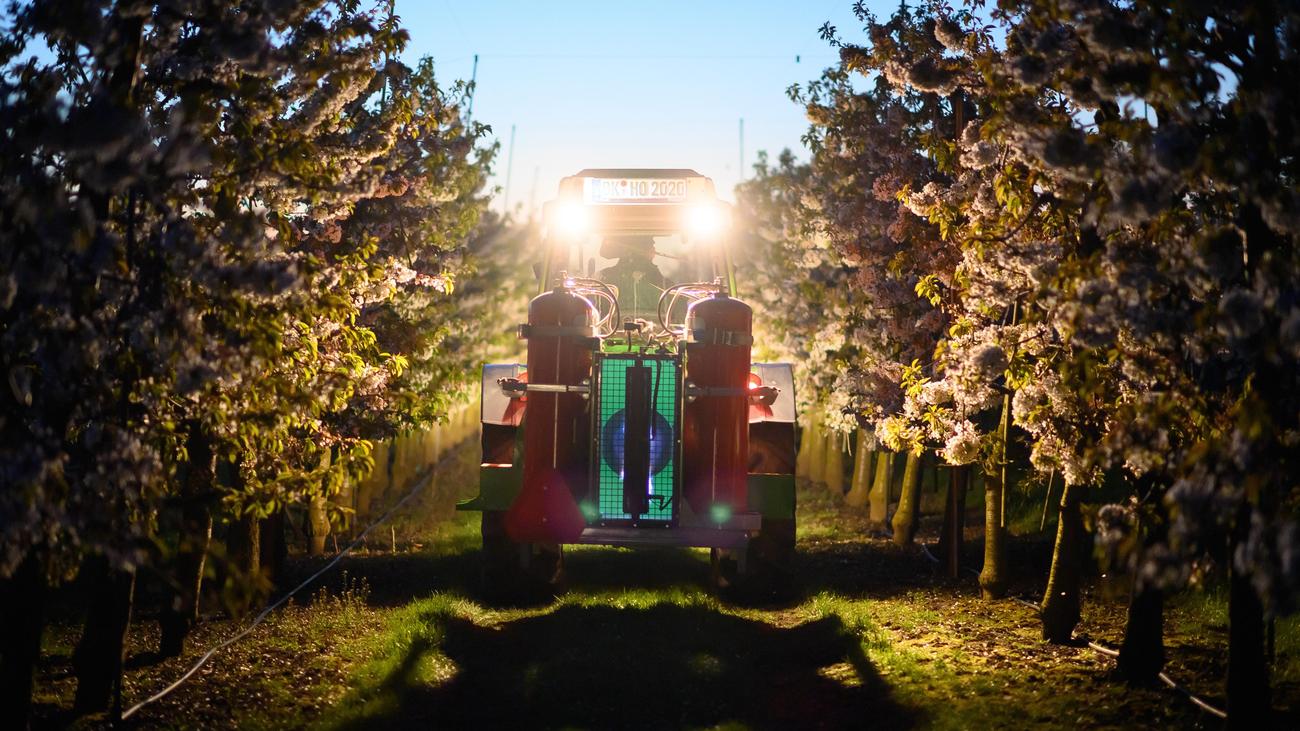
Through this measure, member states can, among other things, relieve farmers of the increased costs of fertilizer and fuel. Federal Agriculture Minister Alois Rainer (CSU) announced that he would examine what relief would be possible for German farmers. However, the national financial situation must be taken into account.
For example, with the new relaxations, EU states can cover up to 70 percent of the extra costs for fuel and fertilizers. Because the price of nitrogen fertilizer is heavily dependent on natural gas, it has recently risen sharply due to the war in the Middle East and the closure of the Strait of Hormuz. According to the EU Commission, nitrogen fertilizer in the EU is currently around 61 percent more expensive than the 2024 average.
EU competition commissioner insists on energy transition
According to EU Competition Commissioner Teresa Ribera, despite the measures, a shift to a clean economy is necessary. »The energy transition remains the most effective strategy for Europe’s autonomy, growth and resilience. However, the recent increases in energy prices require immediate action,” said Ribera. The easing is intended to cushion the current effects of the crisis on key sectors such as agriculture, fishing and transport.
Based on the easing, the federal government wants to provide German industry with a discounted rate Electricity price support. The EU Commission approved the measure worth 3.8 billion euros in mid-April. The instrument envisages capping the price for half of annual electricity consumption at five cents per kilowatt hour.
According to the Ministry of Economic Affairs, this support will benefit around 9,500 companies from particularly energy-hungry industries such as chemicals, rubber and plastic products, glass, cement or semiconductor production. The economy has long been complaining about energy costs that are high compared to international standards. With a temporary adjustment to the easing, even greater support would legally be possible.