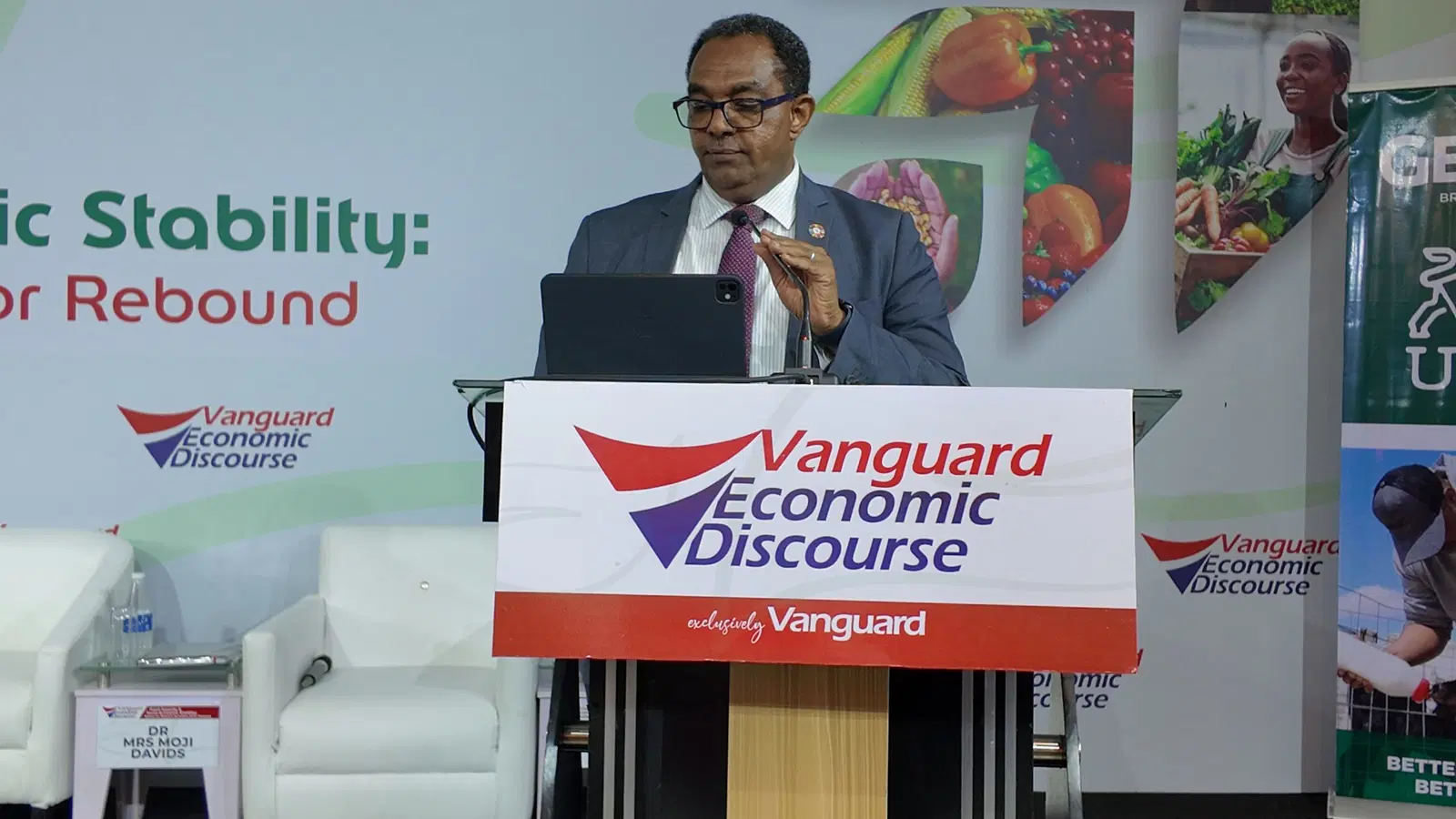
Nigeria must urgently rethink how it handles agriculture—not just by producing more, but by processing more. That was the clear message from Hussein Gadain of the Food and Agriculture Organization, who warned that the country’s growing agricultural trade deficit—estimated at ₦2.5 trillion—cannot be reversed without a major shift toward value addition and industrial processing.
Speaking at an economic discourse in Lagos, Gadain explained that Nigeria’s agriculture is not weak in production—but weak in commercial value. The country continues to export raw commodities while importing processed foods that could be produced locally.
“It’s not just about farming more,” the message suggests. “It’s about earning more from what we already produce.”
A Sector Full of Potential, Yet Underperforming
Nigeria’s agricultural strength is undeniable. With about 70 million hectares of agricultural land and millions of households involved in farming, the sector remains one of the biggest contributors to the economy—accounting for roughly 23% of GDP.
But beneath that strength lies a major gap.
Over 80% of farmers are smallholders, producing the bulk of the nation’s food—yet many lack access to processing facilities, storage, and markets that would increase the value of their output.
The Cost of Exporting Raw, Importing Processed
Between 2016 and 2019, Nigeria spent about ₦3.35 trillion on agricultural imports—far exceeding exports of about ₦803 billion.
This imbalance tells a simple story:
Nigeria sells raw produce cheaply and buys finished goods at a premium.
Crops like sesame, cashew, and cocoa dominate exports, while staples like wheat dominate imports—highlighting missed opportunities for local production and processing.
Why Food Security Is Bigger Than Food
Gadain stressed that food security goes beyond agriculture—it is tied directly to national stability.
When food systems are weak, the effects ripple outward:
- Rising food prices
- Increased poverty
- Social tension
- Economic instability
But when agriculture works, the benefits are just as powerful: job creation, rural development, and improved nutrition.
The Way Forward: From Farm to Industry
To reverse the trend, experts say Nigeria must:
- Invest in agro-processing industries
- Strengthen storage and supply chains
- Link farmers directly to industries and global markets
- Encourage private sector participation
- Diversify exports beyond raw commodities
Food and Agriculture Organization also emphasised the need for better policies, stronger data systems, and collaboration between government, businesses, and development partners.
A Moment Nigeria Cannot Afford to Miss
Nigeria’s agriculture sector sits at a crossroads. With a growing population and increasing demand for food, the pressure is mounting—but so is the opportunity.
The message is clear:
Producing more is no longer enough.
To truly unlock its agricultural potential, Nigeria must start adding value—turning crops into products, farms into industries, and agriculture into a driver of national prosperity.