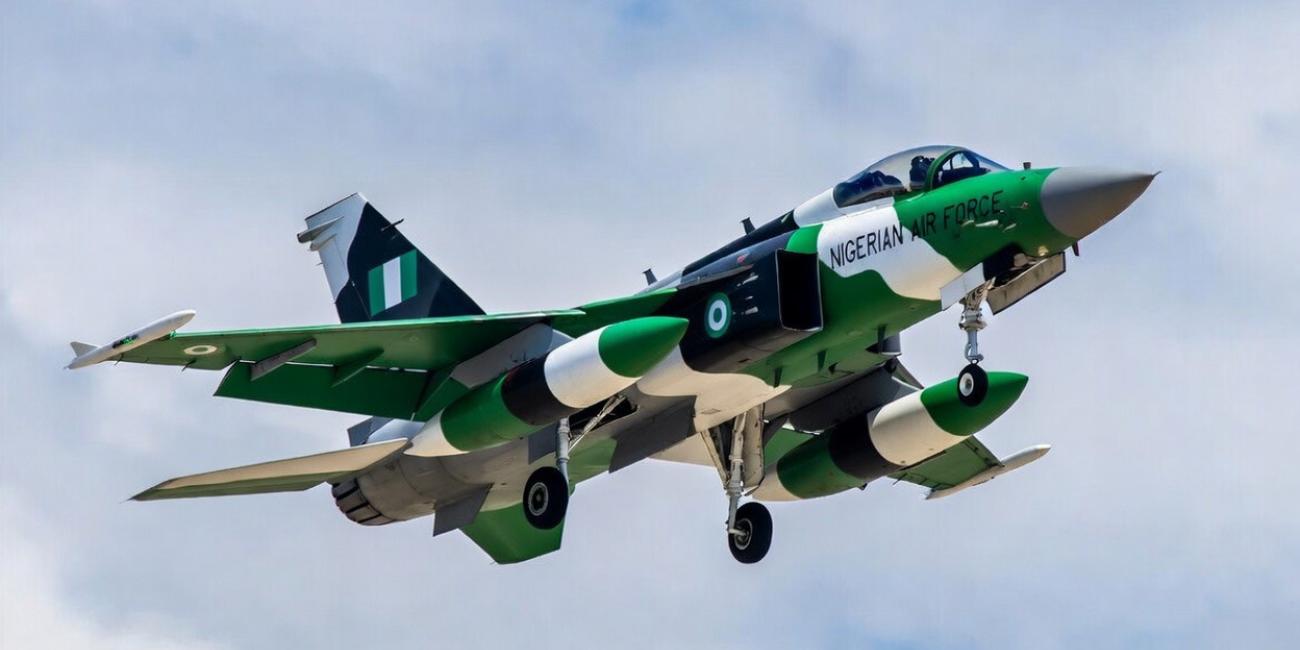
What should have been a normal market day turned into chaos and grief along the Borno–Yobe border, after a military airstrike reportedly hit a crowded trading ground instead of its intended target.
The strike, believed to be part of an operation against Boko Haram insurgents, occurred at Jilli Market during peak trading hours. Witnesses say the jets missed their suspected targets and instead struck civilians—traders, buyers, and residents who had gathered from nearby communities for the weekly market.
Eyewitness accounts paint a disturbing picture. One man who survived the incident described how everything changed within seconds. According to him, the attack happened around 2:46 p.m., with multiple fighter jets releasing explosives while people were actively buying and selling. Panic spread immediately, but the strikes reportedly continued even as people tried to flee.
He recounted that he personally counted 56 bodies and helped rescue two injured individuals. Even then, he warned the number could rise, as more victims were still being discovered. For many families, what began as a routine day of business ended in irreversible loss.
Local officials have confirmed the incident, though casualty figures vary. A councillor from the affected ward explained that dozens were killed on the spot, while many others were rushed to hospitals in Geidam and Damaturu. Some of the injured later died, increasing the overall death toll.
The confusion surrounding the exact location of the market whether it falls under Borno or Yobe—has also added to the complexity of the response. However, what remains clear is the scale of devastation and the impact on communities that depend heavily on that market as a key economic hub.
Reacting to the incident, Amnesty International strongly condemned the strike, raising serious concerns about the use of force in civilian areas. The organisation cited witness reports claiming that multiple jets fired directly into the market, leaving mass casualties and overwhelming local medical facilities.
So far, attempts to get an official response from the Nigerian Air Force have not been successful. Silence from authorities has only deepened public concern, especially as calls for accountability grow louder.
What stands out in all of this is not just the tragic loss of life, but the painful question many are asking—how did a mission targeting insurgents end up devastating innocent civilians?