WHEN THE MEDIA BECOMES THE OPPOSITION TO TRUTH
By: Rita Ebiuwa
In every democratic society, the media occupies a very sensitive and powerful position. It is regarded as the watchdog of society, the bridge between the government and the people, and the institution responsible for informing, educating, and enlightening citizens. Journalism was never designed to create confusion or deliberately distort facts. Unfortunately, what Nigerians are witnessing today in parts of the media space raises serious concerns about whether some media organisations still uphold these professional principles.
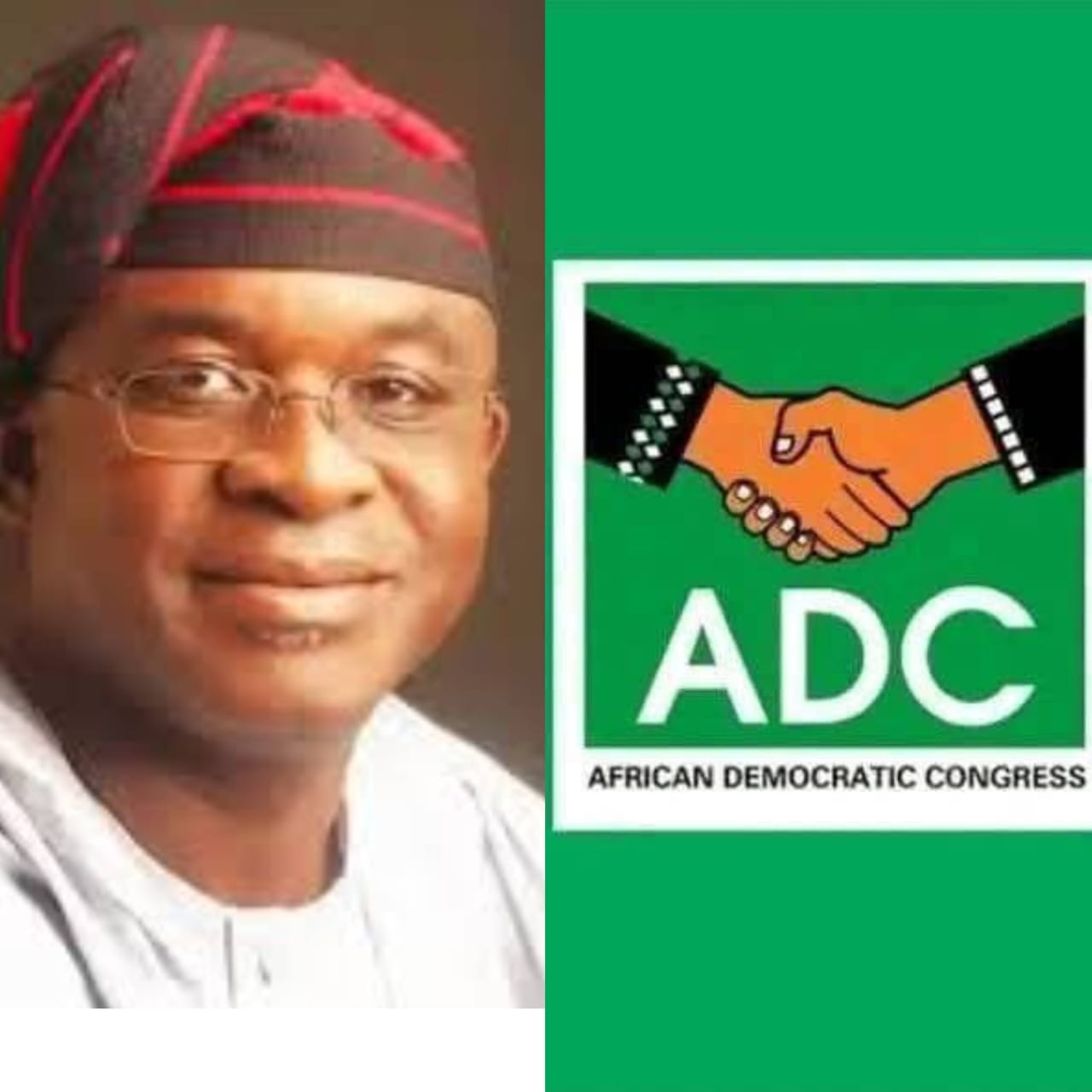
The ongoing controversy surrounding the leadership of the African Democratic Congress (ADC) has once again exposed the worrying level of misinformation and irresponsible reporting that now dominates sections of the Nigerian media. Despite the clear position of the Supreme Court and the official recognition reflected on the Independent National Electoral Commission (INEC) portal, some media houses continue to describe Senator David Mark as a “factional chairman” while also referring to the recognised leadership of the party as merely a “faction” of ADC.
This naturally raises important questions. On what legal or institutional basis is Senator David Mark being referred to as a factional chairman when his leadership is already recognised by INEC? Political legitimacy in Nigeria is not determined by media sentiments, political propaganda, or social media arguments. It is determined by the law and by constitutionally recognised institutions. Once INEC officially recognises a leadership and reflects it on its portal, continuing to describe such leadership as “factional” becomes not only misleading but also professionally irresponsible.
The contradiction becomes even more obvious when one considers the approaching May 30 deadline for political parties to submit the names of their candidates to INEC. If indeed there are “two recognised factions” of ADC as some media organisations attempt to suggest, will INEC accept candidates from both groups? The answer is simple and obvious, no. INEC can only accept candidates submitted by the leadership it officially recognises.
If INEC will only accept candidates submitted under the leadership of Senator David Mark, then it becomes difficult to understand why some media organisations still insist on describing him as a factional chairman or David Mark led ADC, is there another legally recognised ADC?. Such reporting does not educate the public; rather, it creates confusion and spreads misinformation among Nigerians who rely on the media for credible information.
The danger of this kind of journalism is enormous. The media has the power to shape public opinion, influence political understanding, and strengthen or weaken democratic institutions. When facts are deliberately twisted or presented in a misleading manner, the public begins to lose confidence not only in the media but also in democratic processes. Citizens become confused about what is true and what is false, especially in a country where political misinformation already spreads rapidly across social media platforms.
Sadly, many media organisations today appear more interested in sensational headlines, political alignment, and attracting attention than in upholding the ethics of journalism. Rather than prioritising truth and factual reporting, some now operate in ways that deepen division and uncertainty within the political space. This is dangerous for democracy because democracy thrives best in an environment where citizens are properly informed.
Journalism should never become an instrument for manipulating narratives or advancing hidden interests. A responsible journalist is expected to verify facts before publishing stories. If the Supreme Court has recognised a leadership and INEC has reflected that recognition officially, then professionalism demands that the media report the situation accurately instead of creating alternative narratives that contradict institutional realities.
This is not about supporting ADC or defending any individual. It is about defending the integrity of journalism and ensuring that Nigerians receive truthful information. The role of the media is not to speculate where facts already exist. The role of the media is not to create confusion where institutions have already provided clarity. The duty of journalism, as many were taught in school, remains to inform, educate, and enlighten the public.
Unfortunately, today’s journalism in Nigeria increasingly appears driven by misinformation, sensationalism, and political bias. This trend must change if the media intends to regain the trust and confidence of the Nigerian people. Nigerians deserve a media that reports facts accurately, respects institutional decisions, and prioritises truth above political narratives.
At this critical moment in Nigeria’s democratic journey, the media must return to the core principles of ethical journalism. Reporters and editors must understand that words matter and headlines shape public perception. Deliberately describing a legally recognised leadership as “fractional” despite clear institutional recognition is not only misleading but also unfair to the public that depends on the media for clarity and truth.
The Nigerian media must therefore do more of informing than misinforming. Democracy cannot flourish where truth is constantly sacrificed for sensational reporting. The responsibility of the media is too important to be reduced to political narratives and misleading headlines. Nigerians deserve better, and journalism must rise again to meet its true responsibility.