In the riverine communities of Ilaje Local Government Area, getting medical care is no longer just difficult — it is becoming impossible.
Fresh evidence from multiple public health facilities paints a troubling picture: broken beds, empty buildings, collapsing structures, and patients left with nowhere to turn.
At Igbokoda Primary Health Centre, the building still stands, but inside tells a different story.
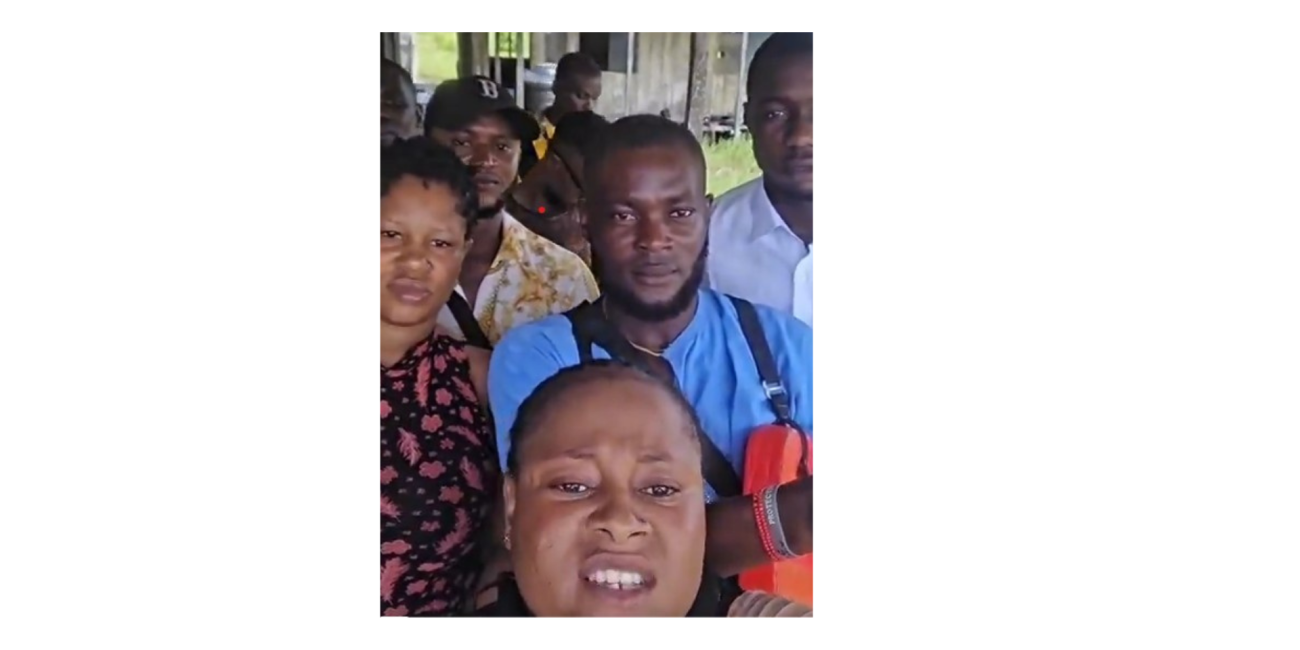
“This is Igbokoda Health Centre… the building is okay but our hospital beds are not,” a resident said, appealing directly to authorities for help. “They have to change all these hospital beds.”
But in other places, the situation is worse.
At Orioke Iwamimo Health Centre, the doors were locked — no staff, no services, and a building said to be on the verge of collapse.
At Ebuta Ipare, residents described a facility stripped of dignity: peeling walls, broken ceilings, no water, and no usable beds.
For those who arrive seeking care, there is often nothing waiting for them.
Even the General Hospital in Igbokoda — expected to serve as a major referral centre — is struggling to function.
Community sources say only one doctor is available to attend to patients, with no scanning or X-ray machines and a failed solar power system.
“All the beds are bad,” one source said, summing up the frustration felt by many.
Elsewhere, the pattern continues.
Motoro Health Centre is reportedly abandoned.
Gbabijo Health Centre has been partially destroyed by rainstorms.
Idiogba Health Centre is said to be in urgent need of repair.
Across these communities, healthcare is no longer a service — it is a gamble.
Residents say these facilities are often their only option, especially in hard-to-reach riverine areas where private care is either too far or too expensive.
The situation is raising deeper questions about access, equity, and the reality behind public claims of investment in primary healthcare.
For the people of Ilaje, the issue is simple and urgent:
When hospitals no longer function, sickness becomes a risk no one can afford.
And for many, the question is no longer about treatment — it is about survival.