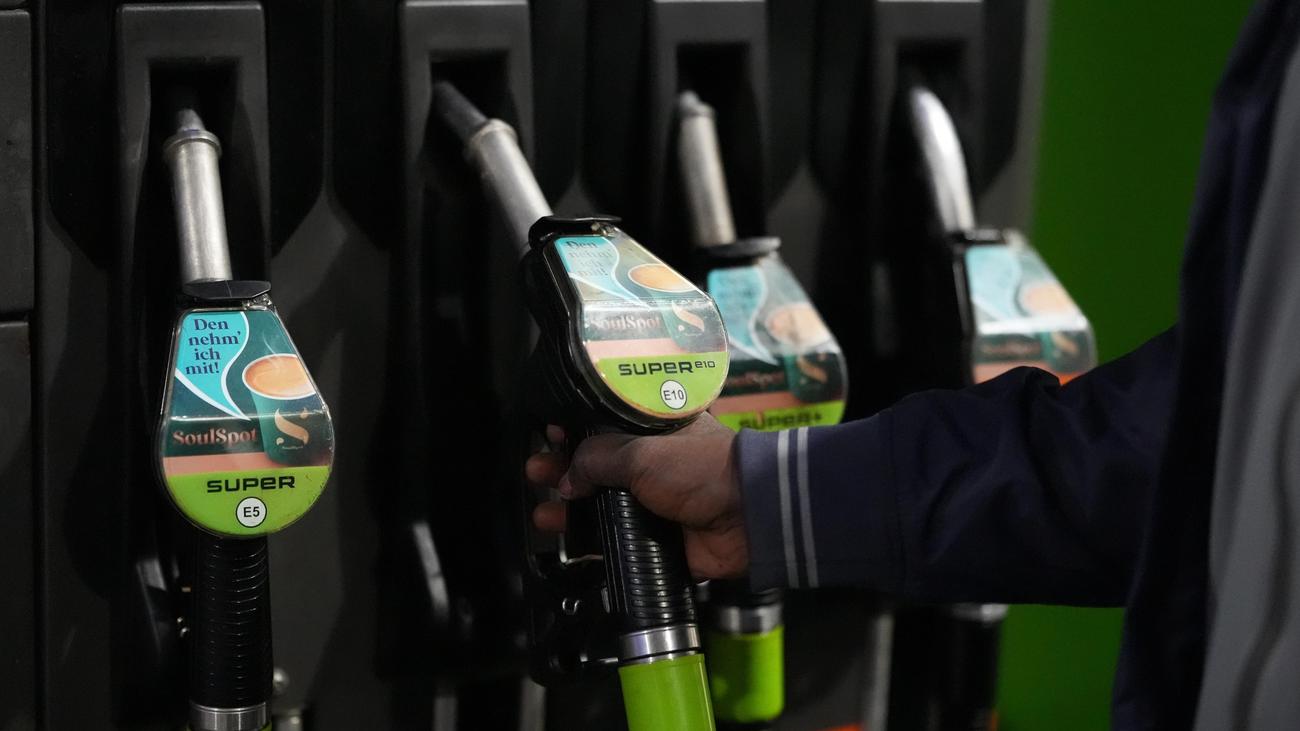
According to the will of politicians from both coalition parties, Federal Minister of Economics Katherina Reiche (CDU) will put the planned model for limiting gasoline prices into effect next week. According to that Reich’s suggestionwhich is based on Austria’s previous approach, gas stations should only be allowed to raise their prices once a day. In the meantime, Austria regulates fuel prices even more closely: in the future, gas stations will only be allowed to use theirs Raise fuel prices three times a weekinstead of once a day.
The deputy chairman of the SPD parliamentary group, Armand Zorn, said Picture-Newspaper: “Now this once-a-day rule must be implemented quickly. If possible, as early as next week.” The SPD parliamentary group is ready for this. If the fuel price brake cannot be introduced by regulation, the SPD MPs would “immediately agree” to a legal change, said Zorn.
The deputy chairman of the Union parliamentary group, Sepp Müller (CDU), he said Picturenewspaper said they would “implement it quickly”. He assumes that prices will be “subdued” due to the tapping of the oil reserve. Reiche himself had not given a date as to when the new regulation should apply.
Criticism from economist Grimm
The economist Veronika Grimm, on the other hand, considers the planned price increase cap for gas stations to be ineffective. “In the worst case scenario, the gas stations will increase their prices even more as a precautionary measure in order to be able to pass on the price increases made by the refineries,” said Grimm Rhenish Post. The measure is probably politically motivated. People expected something to be done.
The economist also urged caution when it comes to releasing the national oil reserves: one should “not go all out too early,” as the crisis could last longer and the reserves are limited.
Monopoly Commission welcomes cap on fuel prices
The Monopolies Commission also expects the early introduction of the petrol price cap to improve the situation. The head of the Monopolies Commission, Tomaso Duso, said on ZDFtoday-journalhe thinks the suggestion is a good one. The Monopolies Commission is an independent advisory body of the federal government.
The price increases for fuels in Germany are due to the Market structure particularly drastic compared to other European countries, said Duso. According to him, diesel prices without taxes and duties have risen by 44 percent in Germany, compared to the European average by only 29 percent. Gasoline was less dramatic, but still rose by an average of 29 percent in Germany. In Europe it is only 16 percent.
The reason for this is that the market concentration is particularly high. Here, five vertically integrated companies dominate the entire value chain and are very powerful, said Duso. That is why the costs in Germany are passed on much faster and higher than in other countries.