The Federal Government has announced plans to reintegrate 744 former terrorists and victims of violent extremism into society, following their graduation from the country’s deradicalisation and rehabilitation programme under Operation Safe Corridor. The initiative, officials say, is part of a broader strategy aimed at curbing insurgency and promoting long-term peace across affected regions.
According to the breakdown released at the ceremony in Gombe, the majority of the beneficiaries are from the North-East, with 597 individuals originating from Borno State alone. Others were drawn from states including Adamawa, Bauchi, Kano, Yobe, and several parts of the country, alongside a small number of foreign nationals from neighbouring countries such as Cameroon, Chad, and Niger.
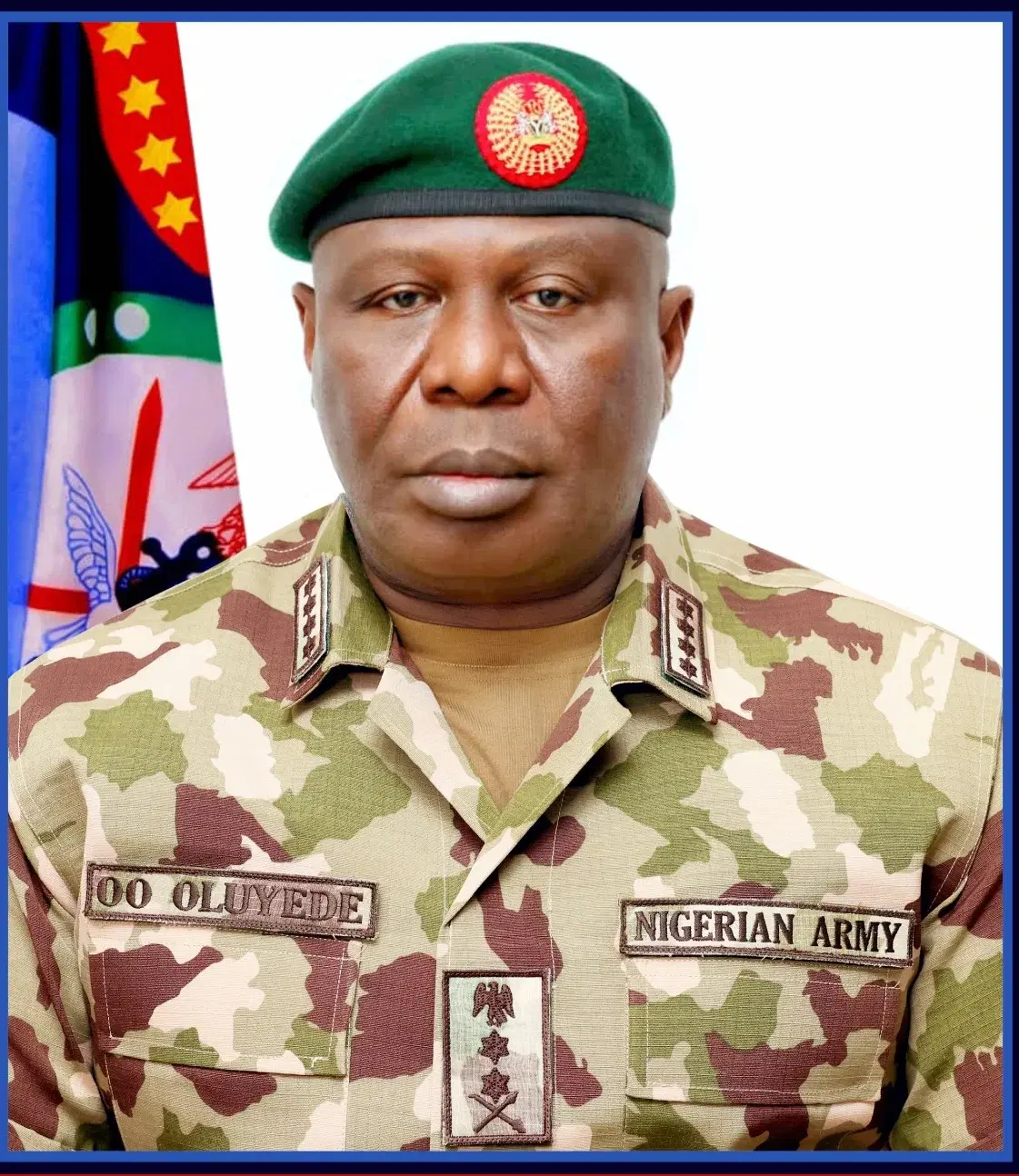
Speaking at the event, Chief of Defence Staff, General Olufemi Oluyede, emphasised that the programme should not be misconstrued as a reward for criminal activity, but rather a calculated national security strategy. He explained that addressing the root causes of violent extremism requires more than military action, highlighting the importance of rehabilitation and reintegration in breaking the cycle of violence.
Participants in the programme underwent months of structured rehabilitation, including psychological counselling, vocational training, civic education, and religious reorientation. These measures were designed to prepare them for reintegration into civilian life and reduce the risk of re-engagement in extremist activities.
However, authorities acknowledged that the long-term success of the programme will depend heavily on community acceptance and sustained monitoring. Concerns remain among citizens about the safety implications of reintegrating former combatants, especially in communities that have suffered from years of insurgent violence.
The government has therefore urged local leaders, state authorities, and civil society groups to play an active role in supporting the reintegration process. Officials stress that without collective cooperation, the gains of the programme could be undermined.
As Nigeria continues to grapple with security challenges, the reintegration initiative reflects a shift towards combining military operations with social and psychological interventions. Whether this approach will yield lasting stability remains a critical question for both policymakers and the communities directly affected.