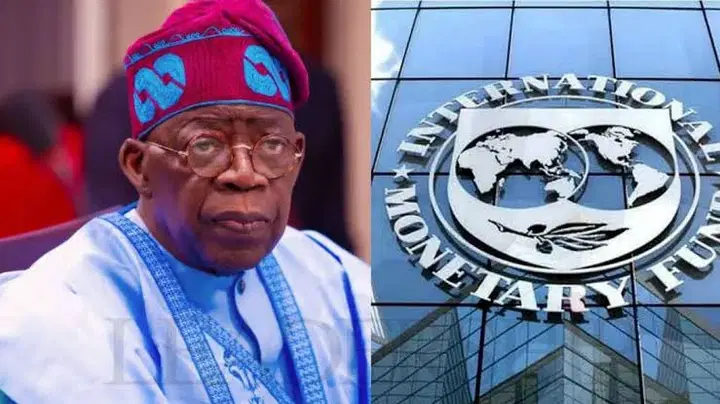
Nigeria is currently navigating a difficult and delicate moment, where economic pressure and security concerns are colliding in ways that directly affect everyday life. Recent warnings from the International Monetary Fund highlight a growing strain on households, as rising food and transportation costs continue to erode incomes. While global factors—especially tensions in the Middle East—have pushed oil prices upward, offering a potential boost to national revenue, the immediate reality for many Nigerians remains one of hardship and uncertainty.
This situation presents a paradox. On one hand, higher crude oil prices—well above the government’s benchmark—should translate into increased earnings for the country. On the other hand, the same global instability driving these prices is also raising the cost of living. Transportation fares are climbing, food prices are becoming less affordable, and many families are feeling the pressure more intensely, especially in rural and urban low-income communities. The gains at the macro level are yet to fully reflect in the daily experiences of citizens.
Beyond economics, insecurity continues to cast a long shadow over national stability. Persistent attacks in places like Plateau and other regions have reinforced a troubling pattern—violence followed by reactions, rather than prevention. Public voices across different sectors are increasingly united in their frustration, calling for a shift from symbolic gestures to decisive, intelligence-driven action. There is a growing sense that acknowledging tragedy is no longer enough; Nigerians want to see clear strategies that stop these incidents before they occur.
At the heart of both the economic and security challenges lies a deeper issue: trust in leadership and institutions. Many observers argue that the government must move beyond political considerations and place the protection of lives and livelihoods at the centre of its agenda. This includes addressing corruption within the security system, improving transparency, and ensuring that resources allocated for safety and development are effectively used.
Ultimately, Nigeria stands at a crossroads. The country has opportunities—rising oil revenues, ongoing reforms, and international support—but these must be matched with disciplined management and genuine political will. Lasting progress will depend not just on policies, but on how consistently and sincerely they are implemented. For many Nigerians, the hope is simple: a nation where security is guaranteed, the economy works for everyone, and leadership is measured by results, not promises.